在牌组消失前保存
这些记忆卡还没保存——离开页面后会消失。创建一个免费账户来保留它们,并解锁下面的所有功能。
- Save this deck to your account
- Study with spaced repetition
- Export to Anki (.apkg) or PDF
- Process documents up to 100 pages
- Images extracted from your PDFs
- Sharper text extraction & a more advanced AI model
あ
あお
いえ
うえ
おう
うえ

さか
しお
す 
せ
そうこ 
なす
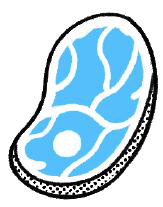
にく

ぬの
ねこ
のう
はい
ひと
ふく
へそ
ほのお
Flashcards in this deck (21)
-
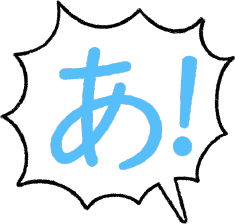
あ
ah !
interjection common -
あお
bleu
adjective color common -
いえ
maison
noun place common -
うえ
au-dessus
noun position common -
おう
roi
noun person common -
うえ
au-dessus
noun position image -
さか
colline / pente (colline escarpée)
noun common hiragana -
しお
sel
noun common hiragana -
す
vinaigre
noun common hiragana -
せ
hauteur
noun common hiragana -
そうこ
entrepôt
noun common hiragana -
なす
aubergine
noun food common -
にく
viande
noun food common -
ぬの
tissu
noun object common -
ねこ
chat
noun animal common -
のう
cerveau
noun body common -
はい
oui [hai]
interjection common h-row reading -
ひと
personne [hito]
noun common h-row reading -
ふく
vêtements [fuku]
noun common h-row reading -
へそ
nombril [heso]
noun body common h-row reading -
ほのお
feu [honoo]
noun nature common h-row reading
Overview
- This set is a beginner hiragana reading practice: learn the vowel row (あいうえお) plus the s-, n-, and h- rows through simple vocabulary and pictures.
- Write each kana in romaji and say the word aloud to practice pronunciation.
Quick tips
- Romaji mapping: あ=a, い=i, う=u, え=e, お=o.
- Some combinations show long vowels (e.g., おう often represents a long "o" sound).
- Pronunciation notes: し = "shi", ふ = "fu" (not exactly "hu").
- Practice: read aloud, write the kana, and match to pictures.
Vowel row (あいうえお)
-
あ (a) — exclamation: "Ah!" when you realize something.
-
あお / ao — "blue" (adjective/noun).

-
いえ / ie — "house".

-
うえ / ue — "above, up".
-
おう / ou — appears in the word for "king" (おう). Note: often pronounced like a long "o" (ō).
S-row (さ し す せ そ)
-
さか / saka — "steep hill" (example for さ).

-
しお / shio — "salt" (example for し = "shi").
-
す / su — "vinegar" (single-kana example for す).
-
せ / se — appears in example meaning "height".
-
そうこ / souko — "warehouse" (example using そ).
N-row (な に ぬ ね の)
-
なす / nasu — "eggplant" (for な).
-
にく / niku — "meat" (for に).
-
ぬの / nuno — "fabric, cloth" (for ぬ).
-
ねこ / neko — "cat" (for ね).
-
のう / nou — "brain" (for の); note pronunciation can be written "nō".
H-row (は ひ ふ へ ほ)
-
はい / hai — "yes" (for は used in the word はい).
-
ひと / hito — "person" (for ひ).
-
ふく / fuku — "clothes" (for ふ). Pronounce ふ as "fu".
-
へそ / heso — "belly button" (for へ).
-
ほのお / honoo — "fire" (for ほ); shows vowel combination producing a long vowel.
How to study these flashcards
- Cover the English and try to read the kana in romaji first.
- Say the word aloud, paying attention to "shi" and "fu" sounds.
- Notice long vowels (おう or こう) and practice their pronunciation.
- Write each kana once while saying its sound to reinforce memory.
Key points to remember
- Learn kana in small groups (vowels, then one consonant row at a time).
- Use pictures to anchor meaning and pronunciation.
- Watch for long vowels and special pronunciations (し = shi, ふ = fu).