A 6-year-old boy presents with severe right leg pain and a firm mass in the proximal tibia. Which condition is characterized by a translocation t(11;22) and presents with _______?
Ewing sarcoma commonly leads to _______ that may worsen with exercise or minor trauma.
The typical locations of Ewing sarcoma are in the long bones, like the _______ or _______, and the axial skeleton, such as the _______.
Biopsy of Ewing sarcoma typically shows _______.
The prognosis for Ewing sarcoma is worse for older patients, those with axial skeletal involvement, or those with _______.
Ewing sarcoma treatment typically involves _______ or _______ combined with _______.
In pediatric patients, _______ may present with systemic symptoms but is characterized by circulating leukemic blasts.
Eosinophilic granuloma primarily affects the _______ in children, often seen in the _______.
Osteoid osteoma is a benign bone tumor characterized by _______ with surrounding osteosclerotic reaction.
Osteomyelitis typically presents acutely with pain and overlying _______.
In a patient with difficulty swallowing and a dilated esophagus, the most likely diagnosis is _______ (Chagas disease).
South American trypanosomiasis results from infection with _______, transmitted through bites from Reduviidae insects.
The diagnosis of South American trypanosomiasis can be confirmed using tests like peripheral blood smear, polymerase chain reaction, and _______.
Chronic South American trypanosomiasis may lead to complications such as _______ and _______.
Patients with chronic South American trypanosomiasis may experience symptoms such as _______ and _______.
Treatment for chronic South American trypanosomiasis includes antiparasitic drugs like _______ or _______.
In South American trypanosomiasis, if untreated, the chronic phase resulting in _______ infection with significant complications can develop.
While Barrett esophagus can present with dysphagia, it does NOT typically cause _______.
Unlike South American trypanosomiasis, _______ does not lead to esophageal dilation or significant gastrointestinal manifestations.
The presence of a _______ suggests chronic GI dysfunction, which in this context indicates South American trypanosomiasis rather than other esophageal conditions.
Correct management of South American trypanosomiasis during the acute stage is crucial as it is _______ if treated promptly.
South American trypanosomiasis, or Chagas disease, is caused by infection with _______ through the bites of _______.
Chronic South American trypanosomiasis is characterized by cardiac manifestations, including _______, _______, and _______.
Gastrointestinal manifestations of Chagas disease can include _______ and _______.
Symptoms of megaesophagus in South American trypanosomiasis may lead to _______, _______, and _______.
A key clinical consideration in managing Chagas disease includes identifying chronic manifestations, which are typically _______.
Which condition is a potential diagnosis when presented with cardiac and gastrointestinal symptoms in a patient from South America? Options include:
A) Barrett esophagus
B) Nutcracker esophagus
C) Schatzki ring
D) _______
E) Systemic sclerosis.

In a case of suspected _______, which symptoms might present during or within 6 hours after a transfusion?
The primary cause of _______ is thought to be the activation of _______ in the pulmonary vasculature by antibodies in the transfused product.
Which condition commonly leads to symptoms of fever, cyanosis, hypotension, and _______ after a blood transfusion?
ABO incompatibility is characterized by acute hemolysis and does not cause _______ or hypoxemia.
Anaphylactic transfusion reaction is most commonly seen in patients with _______ or allergies to blood product components.
Fluid overload can cause dyspnea and pulmonary infiltrates, but it is less likely to present with _______ and hypotension after a single blood transfusion.
The best management step for _______ includes discontinuation of the transfusion and _______.
Chest x-rays in TRALI typically show new _______ unrelated to cardiac dysfunction.
Which of the following blood products carries the greatest risk for causing _______?
A chest x-ray showing bilateral pulmonary infiltrates suggests possible _______ in a patient after blood transfusion.
The clinical decision following a confirmed case of TRALI should include _______ if the patient exhibits severe hypoxia.
In the context of transfusion reactions, symptoms such as bronchospasm and urticaria indicate a potential _______.
In patients with sickle cell crisis, rapid identification of _______ is crucial due to their potential severity.
Transfusion-related acute lung injury (TRALI) is a rare complication of blood product transfusion that presents with _______, _______, _______, and _______. Chest x-rays will show new bilateral pulmonary infiltrates unrelated to cardiac dysfunction.
The pathology of TRALI involves activation of _______ in the pulmonary vasculature by _______ in the transfused product, leading to the release of _______ and inflammatory mediators.
Risk factors for developing TRALI include _______, _______, _______, and _______.
The treatment for suspected TRALI includes _______ of the transfusion, _______ supplementation, and _______.
In cases of transfusion-related acute lung injury, physical examination may disclose crackles on auscultation and patients may present with _______ and _______ on chest x-ray.
Unlike TRALI, anaphylactic transfusion reactions primarily present with _______, urticaria, and _______ rather than respiratory symptoms like hypoxia and bilateral pulmonary infiltrates.
Fluid overload can cause dyspnea and bilateral pulmonary infiltrates, but it is less likely to cause _______ and is unlikely to occur after just a _______.
ABO incompatibility leads to acute hemolysis presenting as _______, flank pain, and _______, but it does not cause hypoxemia or bilateral pulmonary infiltrates.
Laboratory evaluation in cases of hemolytic transfusion reaction may show signs of _______ or signs of _______.
In a patient with acute lymphoblastic leukemia experiencing tumor lysis syndrome, the best next step to prevent acute renal failure is to administer _______.
Tumor lysis syndrome (TLS) commonly occurs post-chemotherapy and is characterized by _______, _______, _______, and _______.
Patients at risk for tumor lysis syndrome may present with symptoms like _______, _______, and _______.
Rapid destruction of tumor cells in TLS leads to the release of intracellular contents, resulting in _______ and potential _______.
Despite aggressive hydration, TLS patients must be treated with agents like _______ for severe cases and _______ for prevention.
Acetylcysteine is useful for replenishing glutathione but is NOT effective in managing _______.
For patients undergoing induction chemotherapy for leukemia or lymphoma, monitor for _______ and administer _______ for prophylaxis.
Acute lymphoblastic leukemia can lead to _______ after chemotherapy due to rapid tumor cell destruction, causing _______, _______, and _______.
During TLS, high levels of uric acid can crystallize in the renal tubules, leading to _______. Administering _______ can help prevent this.
When managing TLS, the most important intervention includes _______ and the administration of _______ or _______.
The correct prophylactic treatment for TLS is _______ as it inhibits the enzyme _______ to reduce uric acid levels.
Acetylcysteine is ineffective in TLS management since it primarily addresses _______, not the metabolic derangements of TLS.
In TLS, patients can present with symptoms like _______, _______, or _______ due to electrolyte imbalances.
Low-dose dopamine, intended for acute kidney injury prevention, is not supported by evidence in the context of _______.
Mesna is used to prevent hemorrhagic cystitis in cyclophosphamide therapy but plays no role in _______ management.
Corrective therapy for TLS involves addressing _______ and _______ alongside supportive care.
A 25-year-old man with a history of traumatic brain injury and major depressive disorder who exhibits mood swings and aggressive behavior is likely experiencing an overdose of _______, a tricyclic antidepressant (TCA).
Symptoms of TCA overdose include _______ such as mydriasis, flushing, and ileus, along with _______ and _______.
In treating tricyclic antidepressant overdose, the mainstay of treatment is _______.
Elevated deep tendon reflexes (3+) may indicate TCA overdose or _______ from other central nervous system depressants.
Unlike TCA overdose, opioid intoxication leads to _______ rather than _______ and is characterized by symptoms such as bradycardia and respiratory depression.
Clinical features of tricyclic antidepressant overdose include _______ and hypotension, which require immediate medical intervention.
The appropriate treatment step for severe hypotension in TCA overdose patients may include the administration of _______.
When considering overdose, acute symptoms of acetaminophen poisoning generally appear as _______ and _______, not as an anticholinergic syndrome.
If a patient is presenting with altered mental status after a suspected TCA overdose, immediate attention should be on securing the _______.
For patients suspected of TCA overdose, broad laboratory studies are essential to assess for _______ and coingestants.
In managing _______, the primary treatment protocol includes _______ and _______.
_______ can be diagnosed using serological tests and requires immediate treatment with _______.
To prevent _______, monitor patients for risk factors such as _______ and _______ during transfusion.
Patients with _______ are at risk for metabolic complications and should receive _______ and _______.
For managing _______, advise reassurance and support, as most cases resolve within _______ without intervention.
_______ is often diagnosed in reproductive-aged females who present with unilateral abdominal pain during ovulation and requires _______.
In an amitriptyline overdose, which of these symptoms are common? Options include: A) Acetaminophen B) Alcohol C) Alprazolam D) _______ E) Oxycodone 
In the management of an unruptured corpus luteum cyst, the most appropriate next step is _______ to ensure resolution.
A _______ can develop from the mature follicle after ovulation and may remain asymptomatic or potentially rupture, presenting severe and sudden unilateral pelvic pain.
Ceftriaxone and doxycycline therapy may be used for treating _______, which commonly presents with fever and cervical tenderness, but is not indicated in asymptomatic cyst cases.
Oral contraceptive therapy is not necessary for a mildly symptomatic patient with a _______ who has no previous history of such cysts.
Ovarian cystectomy is indicated for _______, but would be premature for unruptured, stable cysts like the corpus luteum in this case.
Copper IUD removal is not necessary and does not increase the risk for _______.
In the case of a young woman involved in a high-speed motor vehicle collision, what is the best next step for a patient with altered mental status and neck pain? The answer is a _______. 
After blunt head injury, patients can present with concussion or traumatic intracranial hemorrhage such as _______, _______, or _______.
In pregnant women, Rho(D) immune globulin is indicated when there is concern for _______. However, it is not a priority in trauma cases compared to imaging studies.
If a pregnant patient presents with altered mental status after a motor vehicle accident, a _______ should also be considered to assess for potential injuries.
In stable cases of abdominal trauma, _______ precedes surgical intervention, whereas exploratory laparotomy is reserved for hemodynamically unstable patients.
A 15-year-old boy presents with fatigue, polyuria, and a velvety, hyperpigmented rash. This presentation is indicative of _______ and he is at increased risk for _______.
Initial management for _______ includes _______ and lifestyle modifications. If unsuccessful, what is the next step? _______.
The Framingham Heart Study highlighted that patients with diabetes mellitus are at roughly _______ increased risk for _______.
In the management of acute diabetes complications, it's crucial to control _______ and _______ to further reduce the risk of developing _______.
This patient exhibits a significant weight percentile, being above the _______ percentile for weight and body mass index, which is a known risk factor for _______.
Patients with diabetes mellitus may experience symptoms such as _______, _______, and skin changes like _______.
Diagnostic criteria for diabetes include a fasting glucose of over _______ or a hemoglobin A1C of at least _______.
The laboratory findings indicate this patient has _______ with a glucose level of _______. What does this indicate? Potential _______.
Given his symptoms and lab results, this patient is most at risk for developing _______ over the next 15 years.
In patients with _______, a prominent complication is an increased risk for _______ (CAD) over time.
Management of _______ should begin with _______ and _______.
Patients with diabetes mellitus are at risk for _______ due to chronic hyperglycemia and other factors.
A multifactorial approach to managing _______ includes controlling _______ and factors like _______, _______, and _______.
The initial diagnostic criteria for diabetes include a hemoglobin A1C of ≥ _______ or fasting glucose of ≥ _______.
The risk for developing _______ in patients with diabetes mellitus is increased by approximately _______ as per the Framingham Heart Study.
Which of the following is NOT a complication related to diabetes mellitus? _______.
In a clinical scenario including _______, the most common associated condition is _______ rather than diabetes insipidus.
In adolescents, obesity is a significant risk factor for the development of _______.
Type 2 diabetes mellitus primarily results from increased _______.
In children aged _______, experiencing fear and distress when separated from a caregiver in unfamiliar situations is known as _______.
During separation scenarios, common symptoms in children include _______ and _______ to their primary caregiver.
Separation anxiety can be exacerbated in _______}, such as visiting a hospital or a doctor's office.
While fear of separation is common, fears such as _______ and _______ are related to potential bodily harm and are less likely in previously healthy children.
Panic disorder in children presents differently, primarily through _______, which include symptoms like palpitations and tachypnea.
Stranger anxiety is more common in children aged _______, making separation anxiety more relevant for older children.
Correct identification of the behavioral cause in a previously healthy child at the hospital is essential, leading to understanding that the primary issue is _______.
In cases of caustic ingestion, the most appropriate management to assess visceral injury is _______.
Administration of _______ is contraindicated in patients unable to swallow who present with caustic ingestion due to risk of aspiration.
For caustic alkali ingestion, avoid _______ as it can cause further damage to the esophagus.
A common result of caustic alkali ingestion is _______, leading to potential tissue ulceration.
If a patient with suspected caustic ingestion exhibits drooling and inability to swallow, _______ should be avoided to prevent further trauma.
Regarding _______, the best initial treatment is _______ before local therapy.
For the diagnosis of _______, the most definitive test is the _______.
_______ (TRALI) is characterized by acute respiratory distress following _______.
In patients at risk for _______, it is crucial to initiate _______ and _______ as prophylaxis.
Management strategies for _______ include _______ and monitoring for intensity.
The diagnosis of _______ involves _______ during ovulation, often treated with _______.
In cases of caustic ingestion, the best next step is _______ to assess injury severity.
In patients with _______ due to splenectomy, vaccination against encapsulated bacteria such as _______, _______, and _______ is crucial because they are at increased risk for infections.
Following splenectomy, the most appropriate vaccination to administer is _______ due to the risk for encapsulated bacteria infections.
Patients with asplenia do not have an increased risk from viral infections such as _______, _______, _______, and _______.
Despite receiving other vaccinations, patients with asplenia still require the pneumococcal, _______, and meningococcal vaccines due to their compromised ability to fight infections.
The risk of infection with encapsulated organisms increases after _______, necessitating appropriate vaccinations.
For a patient who has undergone a midline incision splenectomy and is recovering, the best next step in vaccination is to administer _______.
In a case of suspected _______, immediate intervention is required if the patient is experiencing signs of _______. The best next step is _______.
An _______ is an abnormal pregnancy where the fertilized ovum implants in locations such as the _______ or _______. It typically presents with _______ and _______.
When managing a patient with _______, performing _______ is less beneficial than directly proceeding to _______ due to the risk of hemorrhagic shock.
In hemodynamically unstable patients with signs of _______, executing a _______ might delay necessary surgical intervention, increasing risks of _______ and _______.
If a patient presents with severe anemia and tachycardia after suspected _______ rupture, the immediate treatment should be _______ alongside surgical intervention.
In cases of suspected _______, the best next step is an _______.
Severe clinical cases of ectopic pregnancy may lead to _______.
For suspected ruptured ectopic pregnancy, performing an _______ is a critical treatment step.
The management of hemorrhagic shock in ectopic pregnancy involves immediate _______.
The condition of a ruptured ectopic pregnancy requires urgent _______ due to potential complications.
Initial management for a ruptured ectopic pregnancy should focus on preventing _______.
In the context of an ectopic pregnancy presenting with shock, a _______ is often necessary.
Recognizing the signs of _______ is crucial for timely intervention to avoid severe complications.
In a clinical scenario of a case involving a 17-year-old boy displaying: - _______ - _______ - _______, what condition is most likely diagnosed?
The diagnosis of _______ requires at least two of the following criteria: - An inability to cut back on drinking - _______ spent drinking - _______ despite negative consequences.
In adolescents, symptoms of _______ may lead to negative outcomes like - _______ - _______ - _______.
Appropriate assessment of a patient with possible _______ includes an evaluation of - social consequences, - _______, and - _______ related to alcohol use.
When differentiating between alcohol use disorder and recreational use, a key indicator of _______ is the presence of - _______ associated with drinking.
An adolescent's grandiose belief regarding their drinking habits, like stating they can stop whenever they want, may indicate _______ if there are behavioral and academic impacts.
Common misconceptions about _______ include that all behavioral changes are typical when often, they can denote more serious issues like - _______.
Conduct disorder is characterized by persistent patterns of violating societal norms, while alcohol use disorder can occur without evidence of _______ or theft.
If an adolescent's drinking results in negative social consequences, such as trouble with school or friendships, this may indicate _______ rather than normal experimentation.
A major clinical decision when assessing a young adult with alcohol issues hinges on recognizing symptoms defined by the DSM as seen in _______.
The most appropriate next step in the management of a patient showing symptoms of menopause, such as hot flashes and vaginal atrophy, is _______.
Menopause is characterized by the absence of menstruation for _______ due to a decline in ovarian reserve and typically begins around age _______.
Symptoms of menopause include _______, _______, and _______.
Laboratory studies during menopause will typically show increased _______ and decreased _______ concentrations.
While estrogen therapy relieves menopause symptoms, it poses risks for _______ and _______.
It is essential to limit the duration of estrogen therapy to _______ due to potential complications.
A pregnancy test is not necessary when menopause is indicated because the patient has not menstruated for over _______.
Vaginal corticosteroid therapy is indicated for conditions like _______ but not primarily for menopause-related atrophy.
Levothyroxine therapy is for _______, which presents differently than the symptoms of menopause.
In a patient with perirectal pain and thick yellow rectal discharge, the most likely diagnosis is _______ due to transmural inflammation of the gastrointestinal tract leading to symptoms like abdominal cramping and bloody diarrhea.
Crohn disease is characterized by _______ of the gastrointestinal tract and can involve any part, often causing complications such as _______.
Diagnosis of Crohn disease often involves imaging showing _______ at the terminal ileum, along with laboratory findings of increased _______.
Severe cases of Crohn disease may require surgical intervention such as _______ or _______.
In contrast to Crohn disease, ulcerative colitis primarily causes _______ and generally does not lead to _______.
Clostridium difficile colitis typically presents with _______ and is not associated with the formation of _______.
If a patient presents with rectal bleeding and abdominal discomfort, consider Crohn disease if accompanied by signs of _______ or strictures.
The presence of a draining sinus tract may indicate severe _______ or complications arising from it, while this finding is atypical for other conditions like _______.
In a patient with hyptelorism and low-set ears, combined with seizures in a 2-day-old male newborn, the most likely diagnosis is _______ (DiGeorge syndrome).
Thymic-parathyroid dysplasia is caused by a microdeletion in the _______ chromosome, leading to impaired immune function and cardiac defects.
Characteristic features of thymic-parathyroid dysplasia include _______, _______, and craniofacial abnormalities such as _______.
In thymic-parathyroid dysplasia, severe hypocalcemia can present with symptoms such as _______, laryngospasm, and _______.
Patients with thymic-parathyroid dysplasia may show _______ and low calcium concentrations on laboratory evaluation.
A narrow mediastinum on chest x-ray can indicate _______ (DiGeorge syndrome) alongside a right-sided _______.
Recall that the best treatment for hypocalcemia due to thymic-parathyroid dysplasia in infants includes _______.
In the differential diagnosis for seizures in a newborn, hypocalcemia may occur in conditions like _______, but not in _______.
Thymic-parathyroid dysplasia can present with additional abnormalities, such as _______ and _______.
In a clinical scenario where a newborn shows signs of thymic dysplasia, an important first step is to conduct an _______.
Thymic-parathyroid dysplasia is a condition that can lead to acute _______, observable through specific craniofacial features.
In patients with _______, associated conditions often include _______.
A major clinical decision in managing _______ is determining the underlying cause, such as parathyroid dysfunction or _______.
During the evaluation of a patient with _______, one should consider checking parathyroid hormone levels to assess for _______.
An important differential diagnosis when encountering a child with _______ includes _______.
To assess for _______, clinicians should consider the patient's syndromic features, including _______ and _______.
For a patient diagnosed with _______, the best next step is to evaluate for associated conditions such as _______.
When evaluating patients with _______, it's crucial to monitor for signs of _______, including muscle cramps and seizures.
A significant clinical finding in _______ is the presence of _______.
In a clinical scenario, the most common cause of _______ when associated with parathyroid disorders is _______.
To differentiate between types of _______, laboratory tests should include levels of _______ and _______.
In a patient with _______, which is the best initial step for preventing recurrent urinary tract infections?
- A) Monitor temperature curves daily
- B) Urine cultures weekly
- C) _______
- D) 2-Week course of intravenous antibiotic therapy
- E) Vesicoureteral reimplantation

Recurrent urinary tract infections increase the risk for _______, _______, and _______ in children.
_______ allows for retrograde transport of bacteria to the upper urinary tract, increasing the risk for _______.
The diagnosis of VUR is established by _______ which includes instillation of contrast dye into the bladder.
For children with _______, when is oral antibiotic prophylaxis indicated? When they present with more than one _______.
Despite oral antibiotic prophylaxis, surgical repair of VUR may be necessary for children with _______.
Monitoring temperature curves daily or urine cultures weekly can help with early detection of UTIs but are not effective for _______.
In evaluating a child with social difficulties, if the child exhibits _______ and _______, consider a diagnosis of _______ (pervasive developmental disorder).
Children with autism spectrum disorder may show _______ in socializing, _______, and _______.
Autism spectrum disorder typically presents by age _______ with potential delay or regression in _______ and/or _______.
Management of autism spectrum disorder is _______ and may include _______ and _______.
When assessing a child for pervasive developmental disorder, note signs such as _______ and _______ problems.
In a case of a child primarily engaged with _______ and demonstrating _______ when routines change, consider possible _______.
If a child exhibits _______ and _______ on topics such as building towers, it may indicate signs of _______.
Unlike attention-deficit/hyperactivity disorder, children with autism spectrum disorder do not show _______ but rather _______.
In contrast to expressive language disorder, autism spectrum disorder presents with _______ and _______.
Management approaches for autism spectrum disorder often include _______ and _______ to enhance functioning.
Consider a diagnosis of _______ when a child prefers _______ and shows little interest in peers.
In cases of _______, the main treatment involves _______.
The diagnosis of _______ is primarily based on the detection of _______ through laboratory testing.
It's important to monitor for _______ after transfusion, especially if the patient develops _______.
Patients at risk for _______ should receive _______.
Postpartum blues typically require _______ and usually resolve without formal treatment.
The diagnosis of _______ is typically confirmed by _______ of pain during mid-cycle ovulation.
To assess pervasive developmental disorders, one should consider the differential list which includes _______ and _______ among others. 
The correct diagnosis for a patient showing _______ and _______ is _______ (pervasive developmental disorder).
Management of _______ focuses on improving social functioning and communication skills through _______.
Children with autism often exhibit _______ and _______, indicating a pattern typical of _______.
Diagnosis for autism spectrum disorder involves recognizing difficulties with _______ and _______ along with repetitive behaviors.
_______ is characterized by persistent _______ or _______ but does not typically include _______.
Repetitive behaviors seen in _______ differ from the _______ associated with _______.
In social anxiety disorder, the fear of _______ and _______ in social situations contrasts with the social difficulties found in autism spectrum disorder.
The clinical manifestations of _______ typically present by age _______.
Social skills deficits in autism spectrum disorder include impaired _______ such as lack of _______.
Excessive concern with routine is a common feature of _______, but not of _______.
In children, the features of _______ may include _______ alongside a restricted range of _______.
Postpartum blues typically present in the first few days with symptoms such as _______, _______, _______, _______, and _______.
These symptoms of postpartum blues do not significantly impair the patient's ability to care for the _______ or herself.
One key point is that postpartum blues symptoms often _______ within _______.
Unlike postpartum blues, major depressive disorder with peripartum onset is associated with _______ and requires treatment.
Which of the following is the expected outcome for a patient with postpartum blues? _______.
Postpartum alopecia typically presents _______ after delivery and is not associated with depressive symptoms.
Symptoms of postpartum blues are generally mild and do not lead to a _______ with the newborn.
In cases of significant depressive symptoms that last longer, assessment for _______ with peripartum onset is necessary.
Patients with asthma are at increased risk for developing _______ due to hypersensitivity to _______.
The clinical presentation of allergic bronchopulmonary aspergillosis includes chronic cough that is occasionally productive of _______ and may involve _______.
Characteristic findings of allergic bronchopulmonary aspergillosis include transitory pulmonary infiltrates, increased serum _______ concentrations, and _______.
To confirm a diagnosis of allergic bronchopulmonary aspergillosis, a _______ of the chest is necessary, which shows _______.
Treatment of allergic bronchopulmonary aspergillosis may include _______ and _______ depending on the severity of the condition.
In the case of eosinophilia, it is important to differentiate between allergic bronchopulmonary aspergillosis and _______.
Unlike allergic bronchopulmonary aspergillosis, patients with _______ may present with eosinophil counts greater than _______.
The presence of _______ in a patient with asthma requires consideration of allergic bronchopulmonary aspergillosis over other conditions like _______.
Patients with allergic bronchopulmonary aspergillosis often report symptoms like _______ and generalized _______.
When evaluating a patient with asthma and _______, consider the potential diagnosis of _______ before other options.
For gynecologists, a romantic relationship with a current patient is considered _______ according to ACOG guidelines.
The relationship between physician and patient is asymmetrical, which means that the patient is often _______ to exploitation.
ACOG guidelines indicate medical professionals must report _______ or suspected misconduct to appropriate authorities.
Prior romantic relationships between a physician and patient may influence future _______.
Regarding the inquiry about dating a gynecologist, the physician should inform the patient that such a relationship is _______.
Attempting to obtain information about a gynecologist without first addressing the inappropriateness of the relationship may _______.
In a physician-patient relationship, pursuing a romantic relationship may be viewed as _______ by medical regulatory authorities.
What is a potential consequence of pursuing a romantic relationship with a physician while being their patient? It may lead to _______.
In which scenario might a romantic relationship between a physician and a patient be seen as acceptable? A mutually consensual romantic relationship may be justified under some circumstances, but often it is viewed as _______.
When should a physician report a romantic relationship with a patient? According to medical regulatory authorities, it is required to _______.
What should be the next step for a physician if a patient wishes to switch gynecologists? It would be acceptable for the former gynecologist to _______ with the patient immediately.
Answer the following regarding physician-patient relationships: 'A patient is under no obligation to report a romantic relationship with their physician.' Is this statement _______ or _______?
The document mainly emphasizes the management, diagnosis, and treatment protocols for various medical cases, including Ewing sarcoma, Chagas disease, and _______.
In a patient with a history of a _______ polyp, the United States Preventive Services Task Force recommends follow-up colonoscopy in _______.
For routine colorectal cancer screening, all patients should begin screening at age _______ years and continue until age _______ years.
Colonoscopy allows for direct visualization and excision of _______ throughout the length of the colon.
Colonoscopy should be repeated in _______ for patients with adenomatous polyps or early stage colon cancer, especially with dysplasia.
Having a _______ of colorectal polyps or cancer is not indicated in this patient's further follow-up.
Flexible sigmoidoscopy is not recommended in patients with previous _______ colonoscopy results because it does not assess the entire colon.
Occult blood testing may indicate colon cancer but is neither _______ nor _______.
Patients with _______ or more adenomas need closer monitoring and repeat colonoscopy in _______.
Neonates and infants fed with only whole cow's milk are at risk for developing _______ due to low concentrations of iron in cow's milk and impaired absorption caused by bovine milk proteins.
Breast milk or _______ is recommended for the first year of life to prevent iron deficiency anemia in infants, especially those weaned to cow's milk.
The absence of signs of _______ in an infant suggests a sole focus on iron deficiency rather than broader malnutrition issues.
Symptoms of _______ include diarrhea, dementia, and dermatitis, which are not seen in cases of iron deficiency anemia from cow's milk.
Vitamin B12 deficiency typically results in _______ and is unrelated to the introduction of cow's milk in an infant's diet.
Vitamin D deficiency, or _______, often arises from low dietary intake or sun exposure rather than from the use of cow's milk.
The recommended method to address iron deficiency anemia in infants is to supply either breast milk or _______ during the first year.
In an 18-month-old boy presenting with normal examination findings, the greatest dietary risk factor is the substitution of formula with _______.
Bovine milk proteins can lead to increased _______ in infants, contributing to iron loss and deficiency.
The risk of developing _______ from untreated iron deficiency anemia can persist even after treatment.
In children, secondary hypertension may be caused by _______. The most appropriate next step in management for such a patient is _______.
The primary cause of secondary hypertension in children is often due to _______. This condition is more prevalent in children than adults.
Treatment options for secondary hypertension due to renal artery stenosis include _______ or _______.
For hypertension secondary to renal artery stenosis, _______ are not recommended as they are ineffective.
Incorrect treatments for secondary hypertension in children include _______, which poses a risk of bleeding.
A key educational objective regarding hypertension in children is that untreated cases increase the risk of _______ and _______ later in life.
Prior to starting kindergarten, a 5-year-old girl was noted to have high blood pressure readings of _______.
In patients with a 10-year cardiovascular disease risk of less than _______, initiation of statin medication may not be necessary as risks typically outweigh benefits.
Daily aspirin therapy is indicated for primary prevention only in patients with a 10-year cardiovascular risk greater than _______.
For asymptomatic patients with low cardiovascular risk, tests like _______ are inappropriate due to low pretest probability of coronary artery disease.
A patient with hyperlipidemia and a 10-year probability of coronary artery disease at _______ does not require further intervention, emphasizing the importance of risk assessment in management.
Management decisions for patients at risk for coronary artery disease should consider individual risk factors including _______ and _______.
In patients with hyperlipidemia and a cardiovascular risk of less than _______, no further intervention is indicated at this time.
The risk of a statin medication outweighs the benefit when a patient's LDL-cholesterol concentration is below _______ and cardiovascular risk is under _______.
Daily aspirin therapy is only indicated in patients with a 10-year cardiovascular risk greater than _______.
Echocardiography is used to identify structural abnormalities and is not warranted in asymptomatic patients without _______.
Cardiac stress scintigraphy is inappropriate for patients who are _______ and have low cardiovascular risk.
Initiating HMG-CoA reductase inhibitor therapy is indicated in cases where LDL exceeds _______ or where cardiovascular risk is higher than _______.
In patients with hyperlipidemia, lifestyle modifications and treatment of risk factors can decrease the risk for _______.
In a clinical study assessing a new medication for _______, the greatest limitation is related to _______.
Generalizability in a study refers to the ability to apply results from a sample population to the _______ and reflects _______.
Sampling bias occurs when only certain patients are included, such as those presenting during _______ in the emergency department.
A lack of a _______ in a study is not a limitation when comparing against an effective standard treatment due to safety concerns.
Inadequate blinding in a study refers to not masking the treatment status from those assessing _______.
Lead-time bias occurs when earlier detection of a disease, not a true increase in survival, results from _______.
Which statement about potential bias in clinical studies is true? _______, while inadequate blinding reduces outcome bias.
In a patient with _______, the most appropriate next step in management for a lethargic individual is _______.
The clinical findings consistent with _______ include fever, bilateral pulmonary infiltrates, and _______ indicated by low _______.
For a patient showing symptoms of respiratory failure, _______ should be prioritized, especially if they are _______ and unable to protect their airway.
In the management of respiratory failure due to ARDS, the use of _______ therapy is incorrect as it is typically reserved for _______.
While considering treatments for ARDS, _______ are used in some inflammatory conditions but are not established as the next step in ARDS management.
In cases where a patient has a fever and _______, intravenous administration of _______ is not recommended as it is more suited for _______.
In respiratory failure scenarios, the diagnosis may include _______ due to factors such as _______, particularly in cases of alcohol use disorder.
In the setting of acute respiratory distress syndrome (ARDS), the most appropriate next step in management for a patient showing hypoxic respiratory failure and bilateral pulmonary infiltrates on chest imaging is _______.
ARDS is characterized by _______, _______, and _______ on imaging, leading to hypoxic respiratory failure.
The most common cause of ARDS includes _______, _______, and _______.
Patients requiring urgent endotracheal intubation typically present with _______, _______, or inability to protect their airway due to _______.
In patients with suspected CO poisoning, the immediate management includes _______ and treating with _______. Hyperbaric oxygen therapy is indicated for severe cases.
Intravenous administration of _______ is indicated in cardiogenic shock, not in ARDS management where _______ are not immediately necessary.
Although intravenous administration of _______ is used for inflammatory conditions, its role in ARDS management is unclear and not the next step.
In patients without known immunocompromise, bronchoscopy with lavage is less likely indicated for diagnosing infections such as the _______.
In managing ARDS, the educational objective is to recognize that it results in _______ and _______, necessitating intubation and mechanical ventilation.
In surgery, the best approach to prevent 'wrong site' errors is _______.
The Joint Commission Universal Protocol emphasizes the importance of _______ of the patient's identity, procedure, and surgical site.
Involving the patient directly in the verification process can greatly reduce the likelihood of _______.
A key step in preventing 'wrong site' surgery is to perform a final verification _______ prior to induction of anesthesia.
After experiencing a 'wrong site' surgery, the surgical team should perform _______ to reduce the risk of similar errors in the future.
Standardized processes should be followed to verify the patient's identity, procedure, and surgical site prior to surgery to prevent _______.
Physicians should be familiar with the protocols for preventing _______.
An effective method for ensuring the surgical site is correctly marked is by having the surgeon _______ in view of the patient.
Marking the surgical site should result in a mark that is _______ and visible after draping.
In a patient presenting with _______ and _______, esophagogastroduodenoscopy is indicated to evaluate for conditions such as peptic ulcer disease or _______.
When evaluating a patient with upper gastrointestinal bleeding and malnourishment, the best next step is to perform _______ to assess for potential malignancies or ulcers.
In patients with a history of _______ use and presenting with _______, one must consider the risk of gastric mucosal irritation and potential _______.
For a patient with a history of _______ and symptoms of upper gastrointestinal issues, investigation for _______ through esophagogastroduodenoscopy is crucial, especially with signs of malnourishment.
Given the risks associated with chronic _______ usage, the management of gastrointestinal symptoms should divert away from NSAIDs towards direct evaluation of the upper GI tract using _______.
The diagnosis for a 67-year-old man with progressive difficulty walking and increased deep tendon reflexes is likely _______.
Amyotrophic lateral sclerosis affects both _______ from the lateral corticospinal tract and _______ arising from the anterior horns of the spinal cord.
Patients with amyotrophic lateral sclerosis often show a combination of _______ findings in an _______ distribution.
Diagnosis of amyotrophic lateral sclerosis is primarily clinical but may be supported by _______ findings of denervation.
The treatment for amyotrophic lateral sclerosis includes _______, which may modestly improve survival but does not cure the disease.
Multiple sclerosis is characterized by central nervous system _______ and typically presents in _______ in their fourth decade of life.
Myasthenia gravis is an autoimmune disorder resulting in worsening muscle weakness, particularly affecting _______, _______, and neck muscles.
Polymyositis presents with symmetrical _______ and is most commonly seen in _______.
Transverse myelitis can lead to bilateral sensory and motor dysfunction with a clear spinal _______ of reduced function.
Mittelschmerz causes mild mid-cycle, often unilateral pain due to _______ from follicular development and rupture. This process is typically not associated with significant laboratory abnormalities, making it important to differentiate from conditions like _______.
In the diagnosis of _______, abdominal ultrasonography may show _______ in the pelvis due to follicular rupture, which helps distinguish it from more serious conditions.
A 14-year-old girl with mild right-sided lower abdominal pain and normal vital signs is likely experiencing _______. This condition typically presents with pain without _______ or _______.
When evaluating a patient for right lower quadrant pain, it is crucial to rule out _______. Classic signs include periumbilical pain, nausea, and fever, none of which were present in the case of Mittelschmerz.
In cases of _______, the typical presentation includes _______ and _______. A patient who is not sexually active is less likely to present with this condition.
Patients with _______ typically report sharp, severe unilateral pain and may have _______ and _______, contrasting with the mild symptoms seen in Mittelschmerz.
Pelvic inflammatory disease usually occurs due to infections from organisms like _______ or _______. It presents with symptoms significantly different from Mittelschmerz.
For patients with pressure injuries, such as those with a loose prosthesis, the most appropriate next step in management is _______.
Pressure injuries, or decubitus ulcers, commonly occur at sites where _______ or bony prominence contacts an external surface.
In the absence of systemic signs of infection, such as fever and malaise, wound culture and _______ are not indicated for pressure injuries.
MRI is preferred for assessing potential complications of pressure ulcers, such as underlying _______ or _______.
When evaluating a pressure ulcer in a patient with a prosthesis, it’s important to assess for changes in _______ and body habitus, which can affect prosthesis fit.
Decubitus ulcers often require management by avoiding direct _______ on the affected area and ensuring appropriate _______.
Complications of poorly fitting prostheses can lead to pressure injuries due to increased moisture and _______.
Patients with type 2 diabetes mellitus should be monitored closely for healing of pressure ulcers because they are at risk for complications due to their _______.
For patients with pressure injuries, if systemic signs like fever are present, they may warrant _______ or more aggressive intervention.
In the presence of a thyroid nodule and low serum TSH, the most appropriate next step in management is _______.
Risk factors for thyroid malignancy include _______, _______, and _______.
When managing a thyroid nodule, a fine-needle aspiration biopsy can be avoided if there is _______ on a radioactive iodine uptake scan.
In thyroid workup, ultrasonography of the thyroid gland should be performed _______ the radioactive iodine uptake scan if needed.
For new thyroid nodules, the initial evaluation should include serum _______.
Patients with a hyperfunctioning thyroid nodule typically do not require _______ due to low cancer risk.
The educational objective for evaluating palpable thyroid mass emphasizes the need to exclude _______ during diagnostic workup.
In the case of a previously healthy 24-year-old man with substernal chest pain that increases when lying down and decreases when leaning forward, the most appropriate next step in diagnosis is _______.
Pericarditis can occur in patients with _______, systemic lupus erythematosus, tuberculosis, or lymphoma, and may arise as a complication of myocardial infarction or cardiac surgery.
The diagnosis of pericarditis is supported by increased inflammatory markers, such as _______ and _______.
A characteristic finding of pericarditis on examination is a _______, which is a harsh sound heard during diastole.
When considering potential myopericarditis, the assessment for a pericardial effusion should always begin with _______ as the best next step in diagnosis.
In an ECG, diffuse ST segment changes are typically seen in cases of _______.
Flashcard in questo deck (377)
-
1
A 6-year-old boy presents with severe right leg pain and a firm mass in the proximal tibia. Which condition is characterized by a translocation t(11;22) and presents with Ewing sarcoma?
-
2
Ewing sarcoma commonly leads to dull pain that may worsen with exercise or minor trauma.
-
3
The typical locations of Ewing sarcoma are in the long bones, like the femur or tibia, and the axial skeleton, such as the pelvis.
-
4
Biopsy of Ewing sarcoma typically shows multiple small, round, blue cells.
-
5
The prognosis for Ewing sarcoma is worse for older patients, those with axial skeletal involvement, or those with distant metastases.
-
6
Ewing sarcoma treatment typically involves surgical excision or radiation therapy combined with chemotherapy.
-
7
In pediatric patients, acute lymphoblastic leukemia may present with systemic symptoms but is characterized by circulating leukemic blasts.
-
8
Eosinophilic granuloma primarily affects the bones in children, often seen in the skull.
-
9
Osteoid osteoma is a benign bone tumor characterized by a radiolucent nidus with surrounding osteosclerotic reaction.
-
10
Osteomyelitis typically presents acutely with pain and overlying erythema.
-
11
In a patient with difficulty swallowing and a dilated esophagus, the most likely diagnosis is South American trypanosomiasis (Chagas disease).
-
12
South American trypanosomiasis results from infection with Trypanosoma cruzi, transmitted through bites from Reduviidae insects.
-
13
The diagnosis of South American trypanosomiasis can be confirmed using tests like peripheral blood smear, polymerase chain reaction, and enzyme-linked immunosorbent assay.
-
14
Chronic South American trypanosomiasis may lead to complications such as dilated cardiomyopathy and megaesophagus.
-
15
Patients with chronic South American trypanosomiasis may experience symptoms such as constipation and dysphagia.
-
16
Treatment for chronic South American trypanosomiasis includes antiparasitic drugs like nifurtimox or benznidazole.
-
17
In South American trypanosomiasis, if untreated, the chronic phase resulting in non-curable infection with significant complications can develop.
-
18
While Barrett esophagus can present with dysphagia, it does NOT typically cause esophageal dilation.
-
19
Unlike South American trypanosomiasis, Nutcracker esophagus does not lead to esophageal dilation or significant gastrointestinal manifestations.
-
20
The presence of a dilated esophagus suggests chronic GI dysfunction, which in this context indicates South American trypanosomiasis rather than other esophageal conditions.
-
21
Correct management of South American trypanosomiasis during the acute stage is crucial as it is curable if treated promptly.
-
22
South American trypanosomiasis, or Chagas disease, is caused by infection with Trypanosoma cruzi through the bites of Reduviidae insects.
-
23
Chronic South American trypanosomiasis is characterized by cardiac manifestations, including dilated cardiomyopathy, arrhythmia, and congestive heart failure.
-
24
Gastrointestinal manifestations of Chagas disease can include constipation and megaesophagus.
-
25
Symptoms of megaesophagus in South American trypanosomiasis may lead to dysphagia, odynophagia, and weight loss.
-
26
A key clinical consideration in managing Chagas disease includes identifying chronic manifestations, which are typically incurable.
-
27
Which condition is a potential diagnosis when presented with cardiac and gastrointestinal symptoms in a patient from South America? Options include: A) Barrett esophagus B) Nutcracker esophagus C) Schatzki ring D) South American trypanosomiasis E) Systemic sclerosis.
-
28
In a case of suspected transfusion-related acute lung injury (TRALI), which symptoms might present during or within 6 hours after a transfusion?
-
29
The primary cause of transfusion-related acute lung injury (TRALI) is thought to be the activation of neutrophils in the pulmonary vasculature by antibodies in the transfused product.
-
30
Which condition commonly leads to symptoms of fever, cyanosis, hypotension, and hypoxemia after a blood transfusion?
-
31
ABO incompatibility is characterized by acute hemolysis and does not cause bilateral pulmonary infiltrates or hypoxemia.
-
32
Anaphylactic transfusion reaction is most commonly seen in patients with IgA deficiency or allergies to blood product components.
-
33
Fluid overload can cause dyspnea and pulmonary infiltrates, but it is less likely to present with fever and hypotension after a single blood transfusion.
-
34
The best management step for transfusion-related acute lung injury (TRALI) includes discontinuation of the transfusion and oxygen supplementation.
-
35
Chest x-rays in TRALI typically show new bilateral pulmonary infiltrates unrelated to cardiac dysfunction.
-
36
Which of the following blood products carries the greatest risk for causing transfusion-related acute lung injury (TRALI)?
-
37
A chest x-ray showing bilateral pulmonary infiltrates suggests possible transfusion-related acute lung injury (TRALI) in a patient after blood transfusion.
-
38
The clinical decision following a confirmed case of TRALI should include intubation if the patient exhibits severe hypoxia.
-
39
In the context of transfusion reactions, symptoms such as bronchospasm and urticaria indicate a potential anaphylactic transfusion reaction.
-
40
In patients with sickle cell crisis, rapid identification of transfusion reactions is crucial due to their potential severity.
-
41
Transfusion-related acute lung injury (TRALI) is a rare complication of blood product transfusion that presents with fever, cyanosis, hypotension, and hypoxemia. Chest x-rays will show new bilateral pulmonary infiltrates unrelated to cardiac dysfunction.
-
42
The pathology of TRALI involves activation of neutrophils in the pulmonary vasculature by antibodies in the transfused product, leading to the release of cytokines and inflammatory mediators.
-
43
Risk factors for developing TRALI include tobacco use, fluid overload, shock, and alcohol use disorder.
-
44
The treatment for suspected TRALI includes discontinuation of the transfusion, oxygen supplementation, and hemodynamic support.
-
45
In cases of transfusion-related acute lung injury, physical examination may disclose crackles on auscultation and patients may present with hypoxemia and bilateral pulmonary infiltrates on chest x-ray.
-
46
Unlike TRALI, anaphylactic transfusion reactions primarily present with bronchospasm, urticaria, and hypotension rather than respiratory symptoms like hypoxia and bilateral pulmonary infiltrates.
-
47
Fluid overload can cause dyspnea and bilateral pulmonary infiltrates, but it is less likely to cause fever and is unlikely to occur after just a single blood product transfusion.
-
48
ABO incompatibility leads to acute hemolysis presenting as fever, flank pain, and hematuria, but it does not cause hypoxemia or bilateral pulmonary infiltrates.
-
49
Laboratory evaluation in cases of hemolytic transfusion reaction may show signs of acute kidney injury or signs of disseminated intravascular coagulation.
-
50
In a patient with acute lymphoblastic leukemia experiencing tumor lysis syndrome, the best next step to prevent acute renal failure is to administer allopurinol.
-
51
Tumor lysis syndrome (TLS) commonly occurs post-chemotherapy and is characterized by hyperphosphatemia, hyperuricemia, hypocalcemia, and hyperkalemia.
-
52
Patients at risk for tumor lysis syndrome may present with symptoms like fever, nausea, and muscle cramps.
-
53
Rapid destruction of tumor cells in TLS leads to the release of intracellular contents, resulting in metabolic abnormalities and potential acute kidney injury.
-
54
Despite aggressive hydration, TLS patients must be treated with agents like rasburicase for severe cases and allopurinol for prevention.
-
55
Acetylcysteine is useful for replenishing glutathione but is NOT effective in managing tumor lysis syndrome.
-
56
For patients undergoing induction chemotherapy for leukemia or lymphoma, monitor for tumor lysis syndrome (TLS) and administer allopurinol for prophylaxis.
-
57
Acute lymphoblastic leukemia can lead to tumor lysis syndrome (TLS) after chemotherapy due to rapid tumor cell destruction, causing hyperuricemia, hyperphosphatemia, and hypocalcemia.
-
58
During TLS, high levels of uric acid can crystallize in the renal tubules, leading to acute kidney injury. Administering allopurinol can help prevent this.
-
59
When managing TLS, the most important intervention includes aggressive intravenous hydration and the administration of allopurinol or rasburicase.
-
60
The correct prophylactic treatment for TLS is allopurinol as it inhibits the enzyme xanthine oxidase to reduce uric acid levels.
-
61
Acetylcysteine is ineffective in TLS management since it primarily addresses glutathione depletion, not the metabolic derangements of TLS.
-
62
In TLS, patients can present with symptoms like cardiac dysrhythmias, muscle cramps, or seizures due to electrolyte imbalances.
-
63
Low-dose dopamine, intended for acute kidney injury prevention, is not supported by evidence in the context of tumor lysis syndrome.
-
64
Mesna is used to prevent hemorrhagic cystitis in cyclophosphamide therapy but plays no role in tumor lysis syndrome management.
-
65
Corrective therapy for TLS involves addressing electrolyte and metabolic abnormalities alongside supportive care.
-
66
A 25-year-old man with a history of traumatic brain injury and major depressive disorder who exhibits mood swings and aggressive behavior is likely experiencing an overdose of amitriptyline, a tricyclic antidepressant (TCA).
-
67
Symptoms of TCA overdose include anticholinergic toxicity such as mydriasis, flushing, and ileus, along with confusion and delirium.
-
68
In treating tricyclic antidepressant overdose, the mainstay of treatment is sodium bicarbonate.
-
69
Elevated deep tendon reflexes (3+) may indicate TCA overdose or withdrawal symptoms from other central nervous system depressants.
-
70
Unlike TCA overdose, opioid intoxication leads to miosis rather than mydriasis and is characterized by symptoms such as bradycardia and respiratory depression.
-
71
Clinical features of tricyclic antidepressant overdose include cardiac arrhythmias and hypotension, which require immediate medical intervention.
-
72
The appropriate treatment step for severe hypotension in TCA overdose patients may include the administration of intravenous fluids.
-
73
When considering overdose, acute symptoms of acetaminophen poisoning generally appear as fatigue and abdominal pain, not as an anticholinergic syndrome.
-
74
If a patient is presenting with altered mental status after a suspected TCA overdose, immediate attention should be on securing the airway.
-
75
For patients suspected of TCA overdose, broad laboratory studies are essential to assess for end-organ dysfunction and coingestants.
-
76
In managing Ewing sarcoma, the primary treatment protocol includes chemotherapy and radiation therapy.
-
77
Chagas disease can be diagnosed using serological tests and requires immediate treatment with benznidazole.
-
78
To prevent transfusion-related lung injury, monitor patients for risk factors such as older age and comorbidities during transfusion.
-
79
Patients with tumor lysis syndrome are at risk for metabolic complications and should receive prophylactic hydration and allopurinol.
-
80
For managing postpartum blues, advise reassurance and support, as most cases resolve within two weeks without intervention.
-
81
Mittelschmerz is often diagnosed in reproductive-aged females who present with unilateral abdominal pain during ovulation and requires supportive care.
-
82
In an amitriptyline overdose, which of these symptoms are common? Options include: A) Acetaminophen B) Alcohol C) Alprazolam D) Amitriptyline E) Oxycodone
-
83
In the management of an unruptured corpus luteum cyst, the most appropriate next step is repeat transvaginal ultrasonography in 6 weeks to ensure resolution.
-
84
A corpus luteum cyst can develop from the mature follicle after ovulation and may remain asymptomatic or potentially rupture, presenting severe and sudden unilateral pelvic pain.
-
85
Ceftriaxone and doxycycline therapy may be used for treating tubo-ovarian abscess, which commonly presents with fever and cervical tenderness, but is not indicated in asymptomatic cyst cases.
-
86
Oral contraceptive therapy is not necessary for a mildly symptomatic patient with a corpus luteum cyst who has no previous history of such cysts.
-
87
Ovarian cystectomy is indicated for persistent or symptomatic cysts, but would be premature for unruptured, stable cysts like the corpus luteum in this case.
-
88
Copper IUD removal is not necessary and does not increase the risk for corpus luteum cysts.
-
89
In the case of a young woman involved in a high-speed motor vehicle collision, what is the best next step for a patient with altered mental status and neck pain? The answer is a CT scan of the head and neck.
-
90
After blunt head injury, patients can present with concussion or traumatic intracranial hemorrhage such as subdural hematoma, subarachnoid hemorrhage, or epidural hematoma.
-
91
In pregnant women, Rho(D) immune globulin is indicated when there is concern for fetomaternal hemorrhage. However, it is not a priority in trauma cases compared to imaging studies.
-
92
If a pregnant patient presents with altered mental status after a motor vehicle accident, a CT scan of the neck should also be considered to assess for potential injuries.
-
93
In stable cases of abdominal trauma, imaging precedes surgical intervention, whereas exploratory laparotomy is reserved for hemodynamically unstable patients.
-
94
A 15-year-old boy presents with fatigue, polyuria, and a velvety, hyperpigmented rash. This presentation is indicative of type 2 diabetes mellitus and he is at increased risk for coronary artery disease.
-
95
Initial management for type 2 diabetes mellitus includes weight loss and lifestyle modifications. If unsuccessful, what is the next step? oral antihyperglycemics.
-
96
The Framingham Heart Study highlighted that patients with diabetes mellitus are at roughly twofold increased risk for coronary artery disease.
-
97
In the management of acute diabetes complications, it's crucial to control hyperlipidemia and hypertension to further reduce the risk of developing coronary artery disease.
-
98
This patient exhibits a significant weight percentile, being above the 95th percentile for weight and body mass index, which is a known risk factor for diabetes mellitus.
-
99
Patients with diabetes mellitus may experience symptoms such as polydipsia, polyuria, and skin changes like acanthosis nigricans.
-
100
Diagnostic criteria for diabetes include a fasting glucose of over 126 mg/dL or a hemoglobin A1C of at least 6.5%.
-
101
The laboratory findings indicate this patient has hyperglycemia with a glucose level of 148 mg/dL. What does this indicate? Potential diabetes mellitus.
-
102
Given his symptoms and lab results, this patient is most at risk for developing coronary artery disease over the next 15 years.
-
103
In patients with type 2 diabetes mellitus, a prominent complication is an increased risk for coronary artery disease (CAD) over time.
-
104
Management of type 2 diabetes mellitus should begin with weight loss and lifestyle modifications.
-
105
Patients with diabetes mellitus are at risk for multivessel CAD due to chronic hyperglycemia and other factors.
-
106
A multifactorial approach to managing type 2 diabetes mellitus includes controlling hyperglycemia and factors like obesity, hyperlipidemia, and hypertension.
-
107
The initial diagnostic criteria for diabetes include a hemoglobin A1C of ≥ 6.5% or fasting glucose of ≥ 126 mg/dL.
-
108
The risk for developing coronary artery disease in patients with diabetes mellitus is increased by approximately twofold as per the Framingham Heart Study.
-
109
Which of the following is NOT a complication related to diabetes mellitus? Adenocarcinoma of the bowel.
-
110
In a clinical scenario including adolescent obesity, the most common associated condition is type 2 diabetes mellitus rather than diabetes insipidus.
-
111
In adolescents, obesity is a significant risk factor for the development of slipped capital femoral epiphysis.
-
112
Type 2 diabetes mellitus primarily results from increased peripheral insulin resistance.
-
113
In children aged 18 months to 3 years, experiencing fear and distress when separated from a caregiver in unfamiliar situations is known as separation anxiety.
-
114
During separation scenarios, common symptoms in children include crying and clinging to their primary caregiver.
-
115
Separation anxiety can be exacerbated in unfamiliar situations}, such as visiting a hospital or a doctor's office.
-
116
While fear of separation is common, fears such as fear of mutilation and fear of pain are related to potential bodily harm and are less likely in previously healthy children.
-
117
Panic disorder in children presents differently, primarily through panic attacks, which include symptoms like palpitations and tachypnea.
-
118
Stranger anxiety is more common in children aged 9 months to 2 years, making separation anxiety more relevant for older children.
-
119
Correct identification of the behavioral cause in a previously healthy child at the hospital is essential, leading to understanding that the primary issue is fear of separation.
-
120
In cases of caustic ingestion, the most appropriate management to assess visceral injury is esophagogastroduodenoscopy (EGD).
-
121
Administration of activated charcoal is contraindicated in patients unable to swallow who present with caustic ingestion due to risk of aspiration.
-
122
For caustic alkali ingestion, avoid induction of vomiting as it can cause further damage to the esophagus.
-
123
A common result of caustic alkali ingestion is liquefactive necrosis, leading to potential tissue ulceration.
-
124
If a patient with suspected caustic ingestion exhibits drooling and inability to swallow, nasogastric tube placement should be avoided to prevent further trauma.
-
125
Regarding Ewing sarcoma, the best initial treatment is chemotherapy before local therapy.
-
126
For the diagnosis of Chagas disease, the most definitive test is the serological test.
-
127
Transfusion-related lung injury (TRALI) is characterized by acute respiratory distress following transfusion.
-
128
In patients at risk for tumor lysis syndrome, it is crucial to initiate hydration and allopurinol as prophylaxis.
-
129
Management strategies for postpartum blues include supportive care and monitoring for intensity.
-
130
The diagnosis of Mittelschmerz involves ovarian pain during ovulation, often treated with analgesics.
-
131
In cases of caustic ingestion, the best next step is esophagogastroduodenoscopy to assess injury severity.
-
132
In patients with asplenia due to splenectomy, vaccination against encapsulated bacteria such as Haemophilus influenzae, Neisseria meningitidis, and Streptococcus pneumoniae is crucial because they are at increased risk for infections.
-
133
Following splenectomy, the most appropriate vaccination to administer is Haemophilus influenzae type b due to the risk for encapsulated bacteria infections.
-
134
Patients with asplenia do not have an increased risk from viral infections such as human papillomavirus, inactivated poliovirus, measles, mumps, rubella, and varicella.
-
135
Despite receiving other vaccinations, patients with asplenia still require the pneumococcal, Haemophilus influenzae, and meningococcal vaccines due to their compromised ability to fight infections.
-
136
The risk of infection with encapsulated organisms increases after splenectomy, necessitating appropriate vaccinations.
-
137
For a patient who has undergone a midline incision splenectomy and is recovering, the best next step in vaccination is to administer Haemophilus influenzae type b.
-
138
In a case of suspected ectopic pregnancy, immediate intervention is required if the patient is experiencing signs of hemorrhagic shock. The best next step is exploratory laparotomy.
-
139
An ectopic pregnancy is an abnormal pregnancy where the fertilized ovum implants in locations such as the fallopian tube or ovary. It typically presents with vaginal bleeding and abdominopelvic pain.
-
140
When managing a patient with ruptured ectopic pregnancy, performing culdocentesis is less beneficial than directly proceeding to exploratory laparotomy due to the risk of hemorrhagic shock.
-
141
In hemodynamically unstable patients with signs of hemoperitoneum, executing a CT scan might delay necessary surgical intervention, increasing risks of morbidity and mortality.
-
142
If a patient presents with severe anemia and tachycardia after suspected ectopic pregnancy rupture, the immediate treatment should be fluid and blood product resuscitation alongside surgical intervention.
-
143
In cases of suspected ectopic pregnancy, the best next step is an emergent exploratory laparotomy.
-
144
Severe clinical cases of ectopic pregnancy may lead to hemorrhagic shock.
-
145
For suspected ruptured ectopic pregnancy, performing an exploratory laparotomy is a critical treatment step.
-
146
The management of hemorrhagic shock in ectopic pregnancy involves immediate surgical intervention.
-
147
The condition of a ruptured ectopic pregnancy requires urgent surgical exploration due to potential complications.
-
148
Initial management for a ruptured ectopic pregnancy should focus on preventing hemorrhagic shock.
-
149
In the context of an ectopic pregnancy presenting with shock, a surgical approach is often necessary.
-
150
Recognizing the signs of ectopic pregnancy is crucial for timely intervention to avoid severe complications.
-
151
In a clinical scenario of a case involving a 17-year-old boy displaying: - withdrawn behavior - mood changes - declining grades, what condition is most likely diagnosed?
-
152
The diagnosis of alcohol use disorder requires at least two of the following criteria: - An inability to cut back on drinking - excessive time spent drinking - persistent drinking despite negative consequences.
-
153
In adolescents, symptoms of alcohol use disorder may lead to negative outcomes like - academic decline - high-risk behaviors - increased risk of suicide.
-
154
Appropriate assessment of a patient with possible alcohol use disorder includes an evaluation of - social consequences, - personal disturbances, and - behavioral impacts related to alcohol use.
-
155
When differentiating between alcohol use disorder and recreational use, a key indicator of alcohol use disorder is the presence of - negative consequences associated with drinking.
-
156
An adolescent's grandiose belief regarding their drinking habits, like stating they can stop whenever they want, may indicate alcohol use disorder if there are behavioral and academic impacts.
-
157
Common misconceptions about normal adolescent behavior include that all behavioral changes are typical when often, they can denote more serious issues like - alcohol use disorder.
-
158
Conduct disorder is characterized by persistent patterns of violating societal norms, while alcohol use disorder can occur without evidence of violence or theft.
-
159
If an adolescent's drinking results in negative social consequences, such as trouble with school or friendships, this may indicate alcohol use disorder rather than normal experimentation.
-
160
A major clinical decision when assessing a young adult with alcohol issues hinges on recognizing symptoms defined by the DSM as seen in alcohol use disorder.
-
161
The most appropriate next step in the management of a patient showing symptoms of menopause, such as hot flashes and vaginal atrophy, is hormone therapy.
-
162
Menopause is characterized by the absence of menstruation for 1 year due to a decline in ovarian reserve and typically begins around age 50.
-
163
Symptoms of menopause include hot flashes, night sweats, and vaginal atrophy.
-
164
Laboratory studies during menopause will typically show increased follicle-stimulating hormone and decreased estradiol concentrations.
-
165
While estrogen therapy relieves menopause symptoms, it poses risks for endometrial cancer and cardiovascular disease.
-
166
It is essential to limit the duration of estrogen therapy to 3 to 5 years due to potential complications.
-
167
A pregnancy test is not necessary when menopause is indicated because the patient has not menstruated for over 1 year.
-
168
Vaginal corticosteroid therapy is indicated for conditions like lichen planus but not primarily for menopause-related atrophy.
-
169
Levothyroxine therapy is for hypothyroidism, which presents differently than the symptoms of menopause.
-
170
In a patient with perirectal pain and thick yellow rectal discharge, the most likely diagnosis is Crohn disease due to transmural inflammation of the gastrointestinal tract leading to symptoms like abdominal cramping and bloody diarrhea.
-
171
Crohn disease is characterized by transmural inflammation of the gastrointestinal tract and can involve any part, often causing complications such as enterocutaneous fistulas.
-
172
Diagnosis of Crohn disease often involves imaging showing narrowing of the intestinal lumen at the terminal ileum, along with laboratory findings of increased erythrocyte sedimentation rate.
-
173
Severe cases of Crohn disease may require surgical intervention such as small bowel resection or colectomy.
-
174
In contrast to Crohn disease, ulcerative colitis primarily causes mucosal and submucosal ulceration and generally does not lead to fistulas.
-
175
Clostridium difficile colitis typically presents with pseudomembranous colitis and is not associated with the formation of draining sinus tracts.
-
176
If a patient presents with rectal bleeding and abdominal discomfort, consider Crohn disease if accompanied by signs of intestinal obstruction or strictures.
-
177
The presence of a draining sinus tract may indicate severe Crohn disease or complications arising from it, while this finding is atypical for other conditions like diverticular abscess.
-
178
In a patient with hyptelorism and low-set ears, combined with seizures in a 2-day-old male newborn, the most likely diagnosis is thymic-parathyroid dysplasia (DiGeorge syndrome).
-
179
Thymic-parathyroid dysplasia is caused by a microdeletion in the 22q11.2 chromosome, leading to impaired immune function and cardiac defects.
-
180
Characteristic features of thymic-parathyroid dysplasia include hypocalcemia, thymic hypoplasia, and craniofacial abnormalities such as low-set ears.
-
181
In thymic-parathyroid dysplasia, severe hypocalcemia can present with symptoms such as seizures, laryngospasm, and bronchospasm.
-
182
Patients with thymic-parathyroid dysplasia may show leukopenia and low calcium concentrations on laboratory evaluation.
-
183
A narrow mediastinum on chest x-ray can indicate thymic-parathyroid dysplasia (DiGeorge syndrome) alongside a right-sided aortic arch.
-
184
Recall that the best treatment for hypocalcemia due to thymic-parathyroid dysplasia in infants includes calcium repletion.
-
185
In the differential diagnosis for seizures in a newborn, hypocalcemia may occur in conditions like thymic-parathyroid dysplasia, but not in Down syndrome.
-
186
Thymic-parathyroid dysplasia can present with additional abnormalities, such as micrognathia and cleft lip and palate.
-
187
In a clinical scenario where a newborn shows signs of thymic dysplasia, an important first step is to conduct an echocardiography.
-
188
Thymic-parathyroid dysplasia is a condition that can lead to acute hypocalcemia, observable through specific craniofacial features.
-
189
In patients with parathyroid hypoplasia, associated conditions often include hypocalcemia.
-
190
A major clinical decision in managing hypocalcemia is determining the underlying cause, such as parathyroid dysfunction or vitamin D deficiency.
-
191
During the evaluation of a patient with hypocalcemia, one should consider checking parathyroid hormone levels to assess for parathyroid hypoplasia.
-
192
An important differential diagnosis when encountering a child with hypoparathyroidism includes thymic-parathyroid dysplasia.
-
193
To assess for thymic-parathyroid dysplasia, clinicians should consider the patient's syndromic features, including immunodeficiency and cardiac anomalies.
-
194
For a patient diagnosed with thymic-parathyroid dysplasia, the best next step is to evaluate for associated conditions such as immune deficiency.
-
195
When evaluating patients with parathyroid hypoplasia, it's crucial to monitor for signs of hypocalcemia, including muscle cramps and seizures.
-
196
A significant clinical finding in thymic-parathyroid dysplasia is the presence of severe combined immunodeficiency.
-
197
In a clinical scenario, the most common cause of hypocalcemia when associated with parathyroid disorders is primary hyperparathyroidism.
-
198
To differentiate between types of hypoparathyroidism, laboratory tests should include levels of serum calcium and parathyroid hormone.
-
199
In a patient with vesicoureteral reflux (VUR), which is the best initial step for preventing recurrent urinary tract infections? - A) Monitor temperature curves daily - B) Urine cultures weekly - C) Oral antibiotic prophylaxis - D) 2-Week course of intravenous antibiotic therapy - E) Vesicoureteral reimplantation
-
200
Recurrent urinary tract infections increase the risk for renal scarring, hydronephrosis, and chronic kidney disease in children.
-
201
Vesicoureteral reflux (VUR) allows for retrograde transport of bacteria to the upper urinary tract, increasing the risk for pyelonephritis.
-
202
The diagnosis of VUR is established by voicing cystourethrography (VCUG) which includes instillation of contrast dye into the bladder.
-
203
For children with vesicoureteral reflux (VUR), when is oral antibiotic prophylaxis indicated? When they present with more than one urinary tract infection (UTI).
-
204
Despite oral antibiotic prophylaxis, surgical repair of VUR may be necessary for children with recurrent UTIs.
-
205
Monitoring temperature curves daily or urine cultures weekly can help with early detection of UTIs but are not effective for preventing recurrent infections.
-
206
In evaluating a child with social difficulties, if the child exhibits restricted interests and repetitive behaviors, consider a diagnosis of autism spectrum disorder (pervasive developmental disorder).
-
207
Children with autism spectrum disorder may show lack of interest in socializing, failure in empathy, and challenging behavior.
-
208
Autism spectrum disorder typically presents by age 2 years with potential delay or regression in communication and/or social skills.
-
209
Management of autism spectrum disorder is individualized and may include behavioral and educational interventions.
-
210
When assessing a child for pervasive developmental disorder, note signs such as difficulty with social interaction and communication problems.
-
211
In a case of a child primarily engaged with blocks and demonstrating temper tantrums when routines change, consider possible autism spectrum disorder.
-
212
If a child exhibits eye contact difficulties and perseveration on topics such as building towers, it may indicate signs of autism spectrum disorder.
-
213
Unlike attention-deficit/hyperactivity disorder, children with autism spectrum disorder do not show hyperactivity but rather restricted social interactions.
-
214
In contrast to expressive language disorder, autism spectrum disorder presents with impairments in social interaction and restricted interests.
-
215
Management approaches for autism spectrum disorder often include social and educational interventions to enhance functioning.
-
216
Consider a diagnosis of autism spectrum disorder when a child prefers solitary play and shows little interest in peers.
-
217
In cases of Ewing sarcoma, the main treatment involves chemotherapy and local control .
-
218
The diagnosis of Chagas disease is primarily based on the detection of Trypanosoma cruzi through laboratory testing.
-
219
It's important to monitor for transfusion-related lung injury after transfusion, especially if the patient develops respiratory distress.
-
220
Patients at risk for tumor lysis syndrome should receive prophylaxis with allopurinol.
-
221
Postpartum blues typically require support and reassurance and usually resolve without formal treatment.
-
222
The diagnosis of Mittelschmerz is typically confirmed by history and physical examination of pain during mid-cycle ovulation.
-
223
To assess pervasive developmental disorders, one should consider the differential list which includes A) Attention-deficit/hyperactivity disorder and D) Pervasive developmental disorder among others.
-
224
The correct diagnosis for a patient showing delayed or regressing communication and lack of interest in socializing is autism spectrum disorder (pervasive developmental disorder).
-
225
Management of autism spectrum disorder focuses on improving social functioning and communication skills through individualized therapy.
-
226
Children with autism often exhibit restricted interests and resistance to change, indicating a pattern typical of pervasive developmental disorder.
-
227
Diagnosis for autism spectrum disorder involves recognizing difficulties with social interaction and communication along with repetitive behaviors.
-
228
Attention-deficit/hyperactivity disorder is characterized by persistent inattention or hyperactivity but does not typically include lack of social interest.
-
229
Repetitive behaviors seen in autism spectrum disorder differ from the compulsions associated with obsessive-compulsive disorder.
-
230
In social anxiety disorder, the fear of scrutiny and embarrassment in social situations contrasts with the social difficulties found in autism spectrum disorder.
-
231
The clinical manifestations of autism spectrum disorder typically present by age 2 years.
-
232
Social skills deficits in autism spectrum disorder include impaired nonverbal communication such as lack of eye contact.
-
233
Excessive concern with routine is a common feature of autism spectrum disorder, but not of expressive language disorder.
-
234
In children, the features of autism spectrum disorder may include challenging behavior alongside a restricted range of interests.
-
235
Postpartum blues typically present in the first few days with symptoms such as dysphoria, anhedonia, irritability, insomnia, and decreased concentration.
-
236
These symptoms of postpartum blues do not significantly impair the patient's ability to care for the newborn or herself.
-
237
One key point is that postpartum blues symptoms often self-resolve within 2 weeks.
-
238
Unlike postpartum blues, major depressive disorder with peripartum onset is associated with suicidality and requires treatment.
-
239
Which of the following is the expected outcome for a patient with postpartum blues? Resolution of symptoms within 2 weeks.
-
240
Postpartum alopecia typically presents 2 to 4 months after delivery and is not associated with depressive symptoms.
-
241
Symptoms of postpartum blues are generally mild and do not lead to a loss of maternal bond with the newborn.
-
242
In cases of significant depressive symptoms that last longer, assessment for major depressive disorder with peripartum onset is necessary.
-
243
Patients with asthma are at increased risk for developing allergic bronchopulmonary aspergillosis due to hypersensitivity to Aspergillus fumigatus.
-
244
The clinical presentation of allergic bronchopulmonary aspergillosis includes chronic cough that is occasionally productive of dark-colored sputum and may involve hemoptysis.
-
245
Characteristic findings of allergic bronchopulmonary aspergillosis include transitory pulmonary infiltrates, increased serum IgE concentrations, and peripheral eosinophilia.
-
246
To confirm a diagnosis of allergic bronchopulmonary aspergillosis, a CT scan of the chest is necessary, which shows central bronchiectasis.
-
247
Treatment of allergic bronchopulmonary aspergillosis may include systemic corticosteroids and antifungal agents depending on the severity of the condition.
-
248
In the case of eosinophilia, it is important to differentiate between allergic bronchopulmonary aspergillosis and hypereosinophilic syndrome.
-
249
Unlike allergic bronchopulmonary aspergillosis, patients with hypereosinophilic syndrome may present with eosinophil counts greater than 500/mm³.
-
250
The presence of pulmonary infiltrates in a patient with asthma requires consideration of allergic bronchopulmonary aspergillosis over other conditions like Strongyloides stercoralis infection.
-
251
Patients with allergic bronchopulmonary aspergillosis often report symptoms like progressive cough and generalized fatigue.
-
252
When evaluating a patient with asthma and increased IgE, consider the potential diagnosis of allergic bronchopulmonary aspergillosis before other options.
-
253
For gynecologists, a romantic relationship with a current patient is considered always unethical according to ACOG guidelines.
-
254
The relationship between physician and patient is asymmetrical, which means that the patient is often vulnerable to exploitation.
-
255
ACOG guidelines indicate medical professionals must report sexual misconduct or suspected misconduct to appropriate authorities.
-
256
Prior romantic relationships between a physician and patient may influence future ethical dilemmas.
-
257
Regarding the inquiry about dating a gynecologist, the physician should inform the patient that such a relationship is inappropriate.
-
258
Attempting to obtain information about a gynecologist without first addressing the inappropriateness of the relationship may impair discussion.
-
259
In a physician-patient relationship, pursuing a romantic relationship may be viewed as sexual misconduct by medical regulatory authorities.
-
260
What is a potential consequence of pursuing a romantic relationship with a physician while being their patient? It may lead to investigation or criminal prosecution.
-
261
In which scenario might a romantic relationship between a physician and a patient be seen as acceptable? A mutually consensual romantic relationship may be justified under some circumstances, but often it is viewed as inappropriate.
-
262
When should a physician report a romantic relationship with a patient? According to medical regulatory authorities, it is required to report such relationships.
-
263
What should be the next step for a physician if a patient wishes to switch gynecologists? It would be acceptable for the former gynecologist to begin a romantic relationship with the patient immediately.
-
264
Answer the following regarding physician-patient relationships: 'A patient is under no obligation to report a romantic relationship with their physician.' Is this statement true or false?
-
265
The document mainly emphasizes the management, diagnosis, and treatment protocols for various medical cases, including Ewing sarcoma, Chagas disease, and postpartum blues.
-
266
In a patient with a history of a dysplastic polyp, the United States Preventive Services Task Force recommends follow-up colonoscopy in 3 years.
-
267
For routine colorectal cancer screening, all patients should begin screening at age 45 years and continue until age 75 years.
-
268
Colonoscopy allows for direct visualization and excision of polyps throughout the length of the colon.
-
269
Colonoscopy should be repeated in 3 years for patients with adenomatous polyps or early stage colon cancer, especially with dysplasia.
-
270
Having a family history of colorectal polyps or cancer is not indicated in this patient's further follow-up.
-
271
Flexible sigmoidoscopy is not recommended in patients with previous abnormal colonoscopy results because it does not assess the entire colon.
-
272
Occult blood testing may indicate colon cancer but is neither sensitive nor specific.
-
273
Patients with 10 or more adenomas need closer monitoring and repeat colonoscopy in 1 year.
-
274
Neonates and infants fed with only whole cow's milk are at risk for developing iron deficiency anemia due to low concentrations of iron in cow's milk and impaired absorption caused by bovine milk proteins.
-
275
Breast milk or iron-fortified formula is recommended for the first year of life to prevent iron deficiency anemia in infants, especially those weaned to cow's milk.
-
276
The absence of signs of protein-calorie malnutrition in an infant suggests a sole focus on iron deficiency rather than broader malnutrition issues.
-
277
Symptoms of pellagra include diarrhea, dementia, and dermatitis, which are not seen in cases of iron deficiency anemia from cow's milk.
-
278
Vitamin B12 deficiency typically results in megaloblastic anemia and is unrelated to the introduction of cow's milk in an infant's diet.
-
279
Vitamin D deficiency, or rickets, often arises from low dietary intake or sun exposure rather than from the use of cow's milk.
-
280
The recommended method to address iron deficiency anemia in infants is to supply either breast milk or iron-fortified formula during the first year.
-
281
In an 18-month-old boy presenting with normal examination findings, the greatest dietary risk factor is the substitution of formula with cow's milk.
-
282
Bovine milk proteins can lead to increased occult enteric bleeding in infants, contributing to iron loss and deficiency.
-
283
The risk of developing neurocognitive impairments from untreated iron deficiency anemia can persist even after treatment.
-
284
In children, secondary hypertension may be caused by renal artery stenosis. The most appropriate next step in management for such a patient is angioplasty.
-
285
The primary cause of secondary hypertension in children is often due to kidney or renovascular disease. This condition is more prevalent in children than adults.
-
286
Treatment options for secondary hypertension due to renal artery stenosis include angioplasty or calcium channel blockers.
-
287
For hypertension secondary to renal artery stenosis, weight loss programs are not recommended as they are ineffective.
-
288
Incorrect treatments for secondary hypertension in children include warfarin therapy, which poses a risk of bleeding.
-
289
A key educational objective regarding hypertension in children is that untreated cases increase the risk of cardiovascular disease and atherosclerosis later in life.
-
290
Prior to starting kindergarten, a 5-year-old girl was noted to have high blood pressure readings of 140/90 mm Hg.
-
291
In patients with a 10-year cardiovascular disease risk of less than 5%, initiation of statin medication may not be necessary as risks typically outweigh benefits.
-
292
Daily aspirin therapy is indicated for primary prevention only in patients with a 10-year cardiovascular risk greater than 20%.
-
293
For asymptomatic patients with low cardiovascular risk, tests like cardiac stress scintigraphy are inappropriate due to low pretest probability of coronary artery disease.
-
294
A patient with hyperlipidemia and a 10-year probability of coronary artery disease at 0.4% does not require further intervention, emphasizing the importance of risk assessment in management.
-
295
Management decisions for patients at risk for coronary artery disease should consider individual risk factors including hypertension and hyperlipidemia.
-
296
In patients with hyperlipidemia and a cardiovascular risk of less than 5%, no further intervention is indicated at this time.
-
297
The risk of a statin medication outweighs the benefit when a patient's LDL-cholesterol concentration is below 190 mg/dL and cardiovascular risk is under 10%.
-
298
Daily aspirin therapy is only indicated in patients with a 10-year cardiovascular risk greater than 20%.
-
299
Echocardiography is used to identify structural abnormalities and is not warranted in asymptomatic patients without cardiac dysfunction.
-
300
Cardiac stress scintigraphy is inappropriate for patients who are asymptomatic and have low cardiovascular risk.
-
301
Initiating HMG-CoA reductase inhibitor therapy is indicated in cases where LDL exceeds 190 mg/dL or where cardiovascular risk is higher than 10%.
-
302
In patients with hyperlipidemia, lifestyle modifications and treatment of risk factors can decrease the risk for coronary artery disease.
-
303
In a clinical study assessing a new medication for chronic obstructive pulmonary disease (COPD), the greatest limitation is related to generalizability.
-
304
Generalizability in a study refers to the ability to apply results from a sample population to the population at large and reflects external validity.
-
305
Sampling bias occurs when only certain patients are included, such as those presenting during daytime hours in the emergency department.
-
306
A lack of a placebo group in a study is not a limitation when comparing against an effective standard treatment due to safety concerns.
-
307
Inadequate blinding in a study refers to not masking the treatment status from those assessing outcomes.
-
308
Lead-time bias occurs when earlier detection of a disease, not a true increase in survival, results from earlier screening.
-
309
Which statement about potential bias in clinical studies is true? Sampling bias limits generalizability, while inadequate blinding reduces outcome bias.
-
310
In a patient with acute respiratory distress syndrome (ARDS), the most appropriate next step in management for a lethargic individual is intubation and mechanical ventilation.
-
311
The clinical findings consistent with acute respiratory distress syndrome (ARDS) include fever, bilateral pulmonary infiltrates, and hypoxic respiratory failure indicated by low Po2.
-
312
For a patient showing symptoms of respiratory failure, intubation should be prioritized, especially if they are lethargic and unable to protect their airway.
-
313
In the management of respiratory failure due to ARDS, the use of hyperbaric oxygen therapy is incorrect as it is typically reserved for carbon monoxide poisoning.
-
314
While considering treatments for ARDS, steroids are used in some inflammatory conditions but are not established as the next step in ARDS management.
-
315
In cases where a patient has a fever and normal blood pressure, intravenous administration of dobutamine is not recommended as it is more suited for cardiogenic shock.
-
316
In respiratory failure scenarios, the diagnosis may include chemical pneumonitis due to factors such as aspiration, particularly in cases of alcohol use disorder.
-
317
In the setting of acute respiratory distress syndrome (ARDS), the most appropriate next step in management for a patient showing hypoxic respiratory failure and bilateral pulmonary infiltrates on chest imaging is intubation and mechanical ventilation.
-
318
ARDS is characterized by acute onset, diffuse inflammatory lung injury, and bilateral pulmonary infiltrates on imaging, leading to hypoxic respiratory failure.
-
319
The most common cause of ARDS includes sepsis, pneumonia, and pulmonary contusion.
-
320
Patients requiring urgent endotracheal intubation typically present with apnea, hypoxia, or inability to protect their airway due to lethargy.
-
321
In patients with suspected CO poisoning, the immediate management includes removing the patient from exposure and treating with 100% supplemental oxygen. Hyperbaric oxygen therapy is indicated for severe cases.
-
322
Intravenous administration of dobutamine is indicated in cardiogenic shock, not in ARDS management where pressors are not immediately necessary.
-
323
Although intravenous administration of methylprednisolone is used for inflammatory conditions, its role in ARDS management is unclear and not the next step.
-
324
In patients without known immunocompromise, bronchoscopy with lavage is less likely indicated for diagnosing infections such as the tuberculosis.
-
325
In managing ARDS, the educational objective is to recognize that it results in diffuse inflammatory lung injury and hypoxic respiratory failure, necessitating intubation and mechanical ventilation.
-
326
In surgery, the best approach to prevent 'wrong site' errors is having the surgeon mark the surgical site with input from the patient prior to induction of anesthesia.
-
327
The Joint Commission Universal Protocol emphasizes the importance of preoperative verification of the patient's identity, procedure, and surgical site.
-
328
Involving the patient directly in the verification process can greatly reduce the likelihood of 'wrong site' errors.
-
329
A key step in preventing 'wrong site' surgery is to perform a final verification 'time out' prior to induction of anesthesia.
-
330
After experiencing a 'wrong site' surgery, the surgical team should perform root cause analysis to reduce the risk of similar errors in the future.
-
331
Standardized processes should be followed to verify the patient's identity, procedure, and surgical site prior to surgery to prevent catastrophic medical errors.
-
332
Physicians should be familiar with the protocols for preventing 'wrong site', 'wrong procedure', and 'wrong person' surgery.
-
333
An effective method for ensuring the surgical site is correctly marked is by having the surgeon mark the site in view of the patient.
-
334
Marking the surgical site should result in a mark that is unambiguous and visible after draping.
-
335
In a patient presenting with unintentional weight loss and dark stools, esophagogastroduodenoscopy is indicated to evaluate for conditions such as peptic ulcer disease or gastric cancer.
-
336
When evaluating a patient with upper gastrointestinal bleeding and malnourishment, the best next step is to perform esophagogastroduodenoscopy to assess for potential malignancies or ulcers.
-
337
In patients with a history of NSAID use and presenting with epigastric pain, one must consider the risk of gastric mucosal irritation and potential bleeding.
-
338
For a patient with a history of smoking and symptoms of upper gastrointestinal issues, investigation for gastric cancer through esophagogastroduodenoscopy is crucial, especially with signs of malnourishment.
-
339
Given the risks associated with chronic NSAID usage, the management of gastrointestinal symptoms should divert away from NSAIDs towards direct evaluation of the upper GI tract using esophagogastroduodenoscopy.
-
340
The diagnosis for a 67-year-old man with progressive difficulty walking and increased deep tendon reflexes is likely amyotrophic lateral sclerosis.
-
341
Amyotrophic lateral sclerosis affects both upper motor neurons from the lateral corticospinal tract and lower motor neurons arising from the anterior horns of the spinal cord.
-
342
Patients with amyotrophic lateral sclerosis often show a combination of upper and lower motor neuron findings in an asymmetric distribution.
-
343
Diagnosis of amyotrophic lateral sclerosis is primarily clinical but may be supported by electromyographic findings of denervation.
-
344
The treatment for amyotrophic lateral sclerosis includes riluzole, which may modestly improve survival but does not cure the disease.
-
345
Multiple sclerosis is characterized by central nervous system demyelination and typically presents in white women in their fourth decade of life.
-
346
Myasthenia gravis is an autoimmune disorder resulting in worsening muscle weakness, particularly affecting ocular, bulbar, and neck muscles.
-
347
Polymyositis presents with symmetrical proximal muscle weakness and is most commonly seen in women.
-
348
Transverse myelitis can lead to bilateral sensory and motor dysfunction with a clear spinal level of reduced function.
-
349
Mittelschmerz causes mild mid-cycle, often unilateral pain due to peritoneal irritation from follicular development and rupture. This process is typically not associated with significant laboratory abnormalities, making it important to differentiate from conditions like appendicitis.
-
350
In the diagnosis of Mittelschmerz, abdominal ultrasonography may show a small amount of free fluid in the pelvis due to follicular rupture, which helps distinguish it from more serious conditions.
-
351
A 14-year-old girl with mild right-sided lower abdominal pain and normal vital signs is likely experiencing Mittelschmerz. This condition typically presents with pain without nausea or leukocytosis.
-
352
When evaluating a patient for right lower quadrant pain, it is crucial to rule out appendicitis. Classic signs include periumbilical pain, nausea, and fever, none of which were present in the case of Mittelschmerz.
-
353
In cases of ectopic pregnancy, the typical presentation includes vaginal bleeding and abdominopelvic pain. A patient who is not sexually active is less likely to present with this condition.
-
354
Patients with ovarian torsion typically report sharp, severe unilateral pain and may have nausea and vomiting, contrasting with the mild symptoms seen in Mittelschmerz.
-
355
Pelvic inflammatory disease usually occurs due to infections from organisms like Chlamydia trachomatis or Neisseria gonorrhoeae. It presents with symptoms significantly different from Mittelschmerz.
-
356
For patients with pressure injuries, such as those with a loose prosthesis, the most appropriate next step in management is recommendation for refitting of the prosthetic socket.
-
357
Pressure injuries, or decubitus ulcers, commonly occur at sites where repetitive friction or bony prominence contacts an external surface.
-
358
In the absence of systemic signs of infection, such as fever and malaise, wound culture and antibiotic therapy are not indicated for pressure injuries.
-
359
MRI is preferred for assessing potential complications of pressure ulcers, such as underlying abscess or osteomyelitis.
-
360
When evaluating a pressure ulcer in a patient with a prosthesis, it’s important to assess for changes in weight and body habitus, which can affect prosthesis fit.
-
361
Decubitus ulcers often require management by avoiding direct pressure on the affected area and ensuring appropriate wound care.
-
362
Complications of poorly fitting prostheses can lead to pressure injuries due to increased moisture and shear forces.
-
363
Patients with type 2 diabetes mellitus should be monitored closely for healing of pressure ulcers because they are at risk for complications due to their condition.
-
364
For patients with pressure injuries, if systemic signs like fever are present, they may warrant surgical debridement or more aggressive intervention.
-
365
In the presence of a thyroid nodule and low serum TSH, the most appropriate next step in management is a radioactive iodine uptake scan.
-
366
Risk factors for thyroid malignancy include young age, radiation exposure, and family history of thyroid cancer.
-
367
When managing a thyroid nodule, a fine-needle aspiration biopsy can be avoided if there is focal uptake on a radioactive iodine uptake scan.
-
368
In thyroid workup, ultrasonography of the thyroid gland should be performed after the radioactive iodine uptake scan if needed.
-
369
For new thyroid nodules, the initial evaluation should include serum TSH measurement.
-
370
Patients with a hyperfunctioning thyroid nodule typically do not require fine-needle aspiration biopsy due to low cancer risk.
-
371
The educational objective for evaluating palpable thyroid mass emphasizes the need to exclude malignancy during diagnostic workup.
-
372
In the case of a previously healthy 24-year-old man with substernal chest pain that increases when lying down and decreases when leaning forward, the most appropriate next step in diagnosis is echocardiography.
-
373
Pericarditis can occur in patients with viral infections, systemic lupus erythematosus, tuberculosis, or lymphoma, and may arise as a complication of myocardial infarction or cardiac surgery.
-
374
The diagnosis of pericarditis is supported by increased inflammatory markers, such as erythrocyte sedimentation rate and C-reactive protein.
-
375
A characteristic finding of pericarditis on examination is a diastolic friction rub, which is a harsh sound heard during diastole.
-
376
When considering potential myopericarditis, the assessment for a pericardial effusion should always begin with echocardiography as the best next step in diagnosis.
-
377
In an ECG, diffuse ST segment changes are typically seen in cases of pericarditis.
Ewing Sarcoma
Overview
- Ewing sarcoma is a primary malignant bone tumor common in children and young adults.
Clinical Presentation
- Symptoms: Insidious onset of dull pain, often worse with minor trauma or exercise.
- Signs: Tenderness, warmth, and swelling at the tumor site, often in long bones like the femur or tibia.
Diagnosis
- Imaging: X-rays typically show a lytic lesion with periosteal reaction.
- Biopsy Results: Characteristic small blue round cells, indicative of Ewing sarcoma.
Genetics
- Translocation: t(11;22) leading to the formation of an oncogenic fusion protein.
Treatment
- Combination of chemotherapy, surgical excision, and possibly radiation therapy.
Prognosis
- Prognosis is poorer with older age at diagnosis, axial skeleton involvement, or metastasis.
 Image showing histological features indicative of Ewing Sarcoma
South American Trypanosomiasis (Chagas Disease)
Overview
- Caused by Trypanosoma cruzi, transmitted by the reduviid bug.
Symptoms
- Early-stage: Fever, malaise; often resolves spontaneously.
- Chronic stage: Heart and gastrointestinal complications like megaesophagus.
Diagnosis
- Tests: Blood smear, PCR for T. cruzi.
Treatment
- Early treatment: Nifurtimox or benznidazole; chronic phase is usually supportive.
Image relevant to South American Trypanosomiasis diagnosis
Transfusion-Related Acute Lung Injury (TRALI)
Overview
- TRALI is a serious and often fatal complication of blood transfusion.
Symptoms
- Sudden onset of hypoxemia, fever, and hypotension shortly after transfusion.
- Bilateral pulmonary infiltrates evident on X-ray.
Pathophysiology
- Antibodies in transfused blood activate neutrophils in lung circulation, leading to inflammation.
Treatment
- Immediate cessation of blood transfusion and supportive measures such as oxygen therapy.
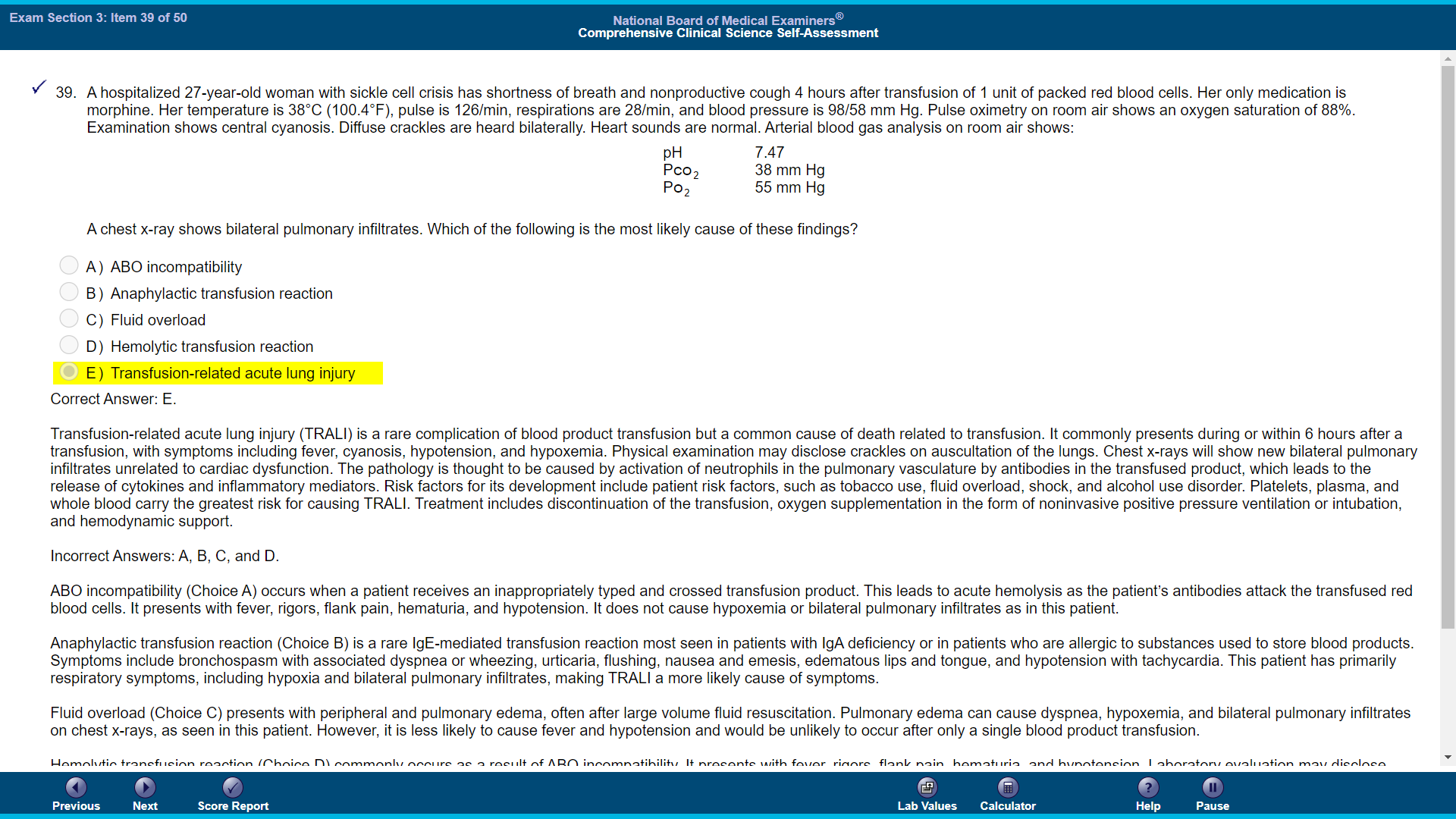 Image illustrating signs related to TRALI
Tumor Lysis Syndrome (TLS)
Overview
- TLS occurs when a large number of tumor cells die rapidly, releasing contents into the bloodstream.
Symptoms
- Hyperuricemia, hyperphosphatemia, hyperkalemia, and hypocalcemia leading to various complications.
Diagnosis
- Changes in electrolytes following chemotherapy initiation, typically in hematologic malignancies.
Treatment
- Prophylactic allopurinol or rasburicase in high-risk patients; hydration and monitoring.
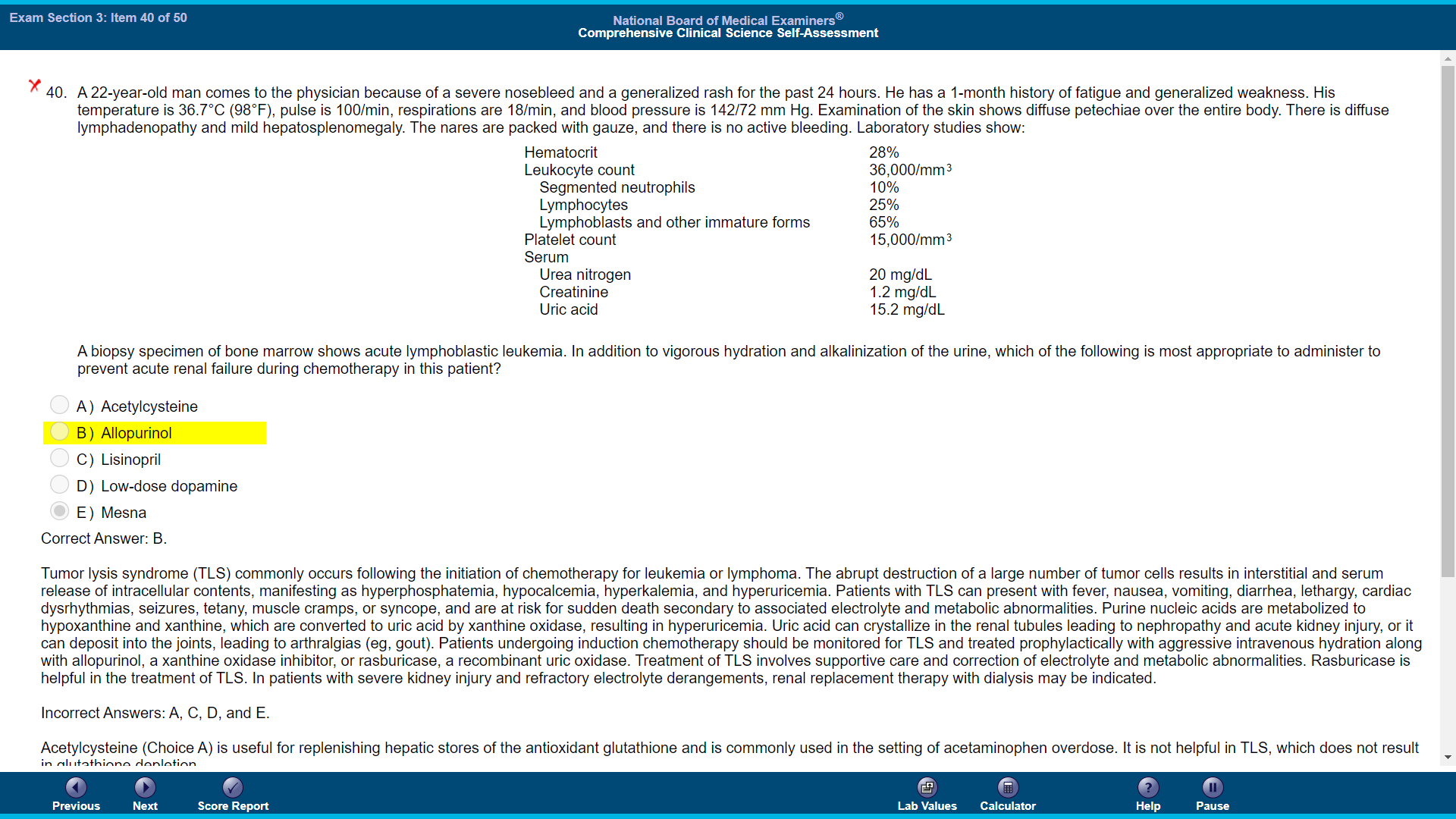 Image related to tumor lysis syndrome treatment options
Postpartum Blues
Overview
- Common after delivery due to hormonal changes; transient emotional disturbance.
Symptoms
- Mild dysphoria, irritability, and anxiety that resolve typically within 2 weeks.
Management
- Reassurance and support; monitor for potential progression to postpartum depression.
 Image illustrating symptoms of postpartum blues
Mittelschmerz
Overview
- Common cause of mid-cycle pain in females associated with ovulation.
Symptoms
- Unilateral abdominal pain, usually self-limited; no other significant findings or lab results.
Diagnosis
- Usually clinical; ultrasound might show free pelvic fluid.
Management
- Reassurance; no aggressive treatment required.
 Image related to diagnosing mittelschmerz