Sign up to unlock more features
- Save this deck to your account
- Study flashcards with spaced repetition
- Export to Anki (.apkg) or PDF
- Process documents up to 100 pages
- Images extracted from PDFs and documents
- Better text extraction from your PDFs and documents
- Better flashcards with our more advanced AI model
Name the four major geographic regions discussed for Western Asia and the Mediterranean.
What feature of Western Asia (Near East) is highlighted in the notes?
How does the Nile River affect Egypt's development according to the notes?
What geographic characteristics of Greece influenced its political organization?
What is noted about Italy / the Roman world in the overview?
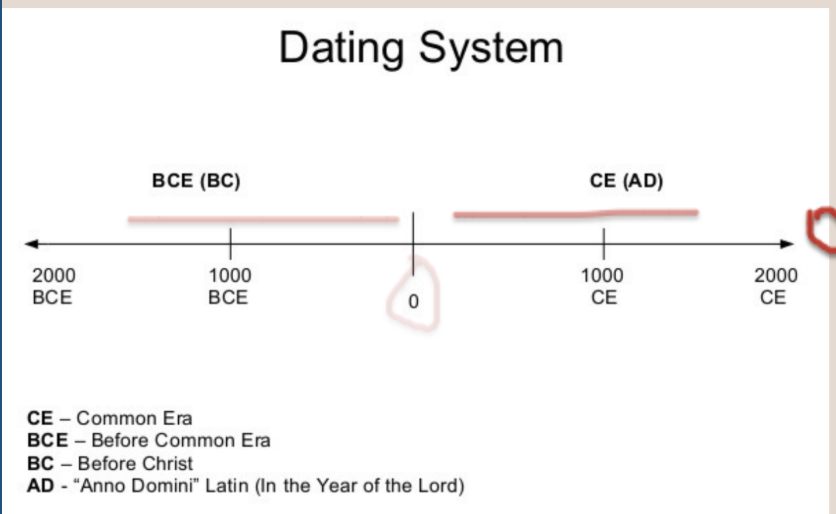
What do the abbreviations BCE and CE stand for?
Define the chronological terms 'millennium', 'century', and 'c.' as given.
What does BCE stand for?
What does CE stand for?
What does BC stand for?
What does AD (Anno Domini) mean in English?
How does time counting work in BCE?
Define the difference between prehistoric and historic periods.
Name the three main subdivisions of the Stone Age listed.
Give the approximate date range for the Chalcolithic (Copper Age) from the text.
Give the approximate date range for the Bronze Age from the text.
Give the approximate date range for the Iron Age as stated, noting variation.
Provide an example range for a millennium and a century using BCE from the text.
Which abbreviations indicate years before year 1 and which indicate years after year 1?
Use the provided timeline image to illustrate the dating labels.
What is the Archaeological Record (also called Material Record)?
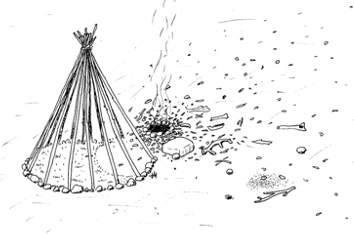
Which archaeological remains are typically left by non-sedentary (mobile) groups?
Which archaeological remains are typically left by sedentary (settled) communities?
Give three examples of ecofacts listed in the notes.
What do city plans reveal about past societies?
Look at the image of a temporary camp. Which category of archaeological evidence does this image illustrate?
How does urban layout relate to social structure?
What do buildings reveal about a city?
What is the archaeological definition of an artefact?
Give examples of common artefact materials and one type of object for each.
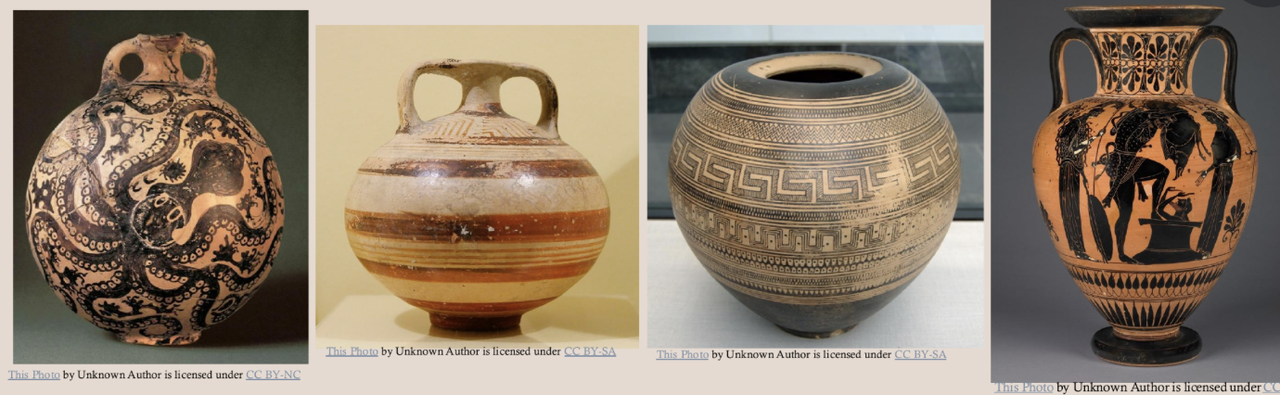
Where and when did pottery originate according to the text?
Why is pottery considered critical in archaeology?
What role does pottery play in dating archaeological layers?
What does burial goods placement indicate about the deceased?
What is palaeobotany and one method it uses?
When excavating pottery, what is commonly found instead of whole vessels?
What does the study of seeds in archaeology help us understand?
What can analysis of pollen reveal in archaeological contexts?
What is the archaeological significance of plant remains?
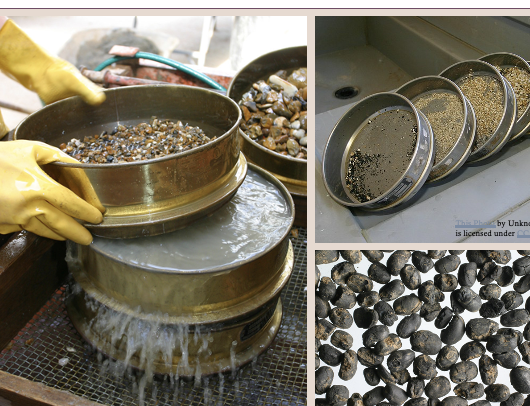
What is the purpose of the flotation process in archaeology?
What does bioarchaeology of animal bones inform us about?
What information can human bones provide in bioarchaeology?
How are bones described in terms of historical insight?
What is relative dating in archaeology?
What is a typology when organizing artefacts?
What is seriation in archaeological dating?
How are pottery sherds used in dating archaeological layers?
What does radiocarbon (C14) dating measure?
How is a date determined using radiocarbon dating?
What type of material is suitable for radiocarbon dating?
What is the typical precision (range) given by radiocarbon dating in the notes?
What is dendrochronology?
How precise is dendrochronology when a regional sequence exists?
What can dendrochronology tell about a piece of wood?
What kinds of sources are used in historical dating based on written evidence?
When does writing first appear according to the notes?
What cautions are noted about using coins and tablets for dating?
Define stratigraphy in archaeology.
How do archaeologists typically excavate a site?
In stratigraphy, what does an upper layer indicate compared to a lower layer?
What is the principle called that states upper layers are later and lower layers are earlier?
Flashcards in this deck (61)
-
Name the four major geographic regions discussed for Western Asia and the Mediterranean.
- Western Asia (Near East)
- Egypt
- Greece
- Italy / Roman World
geography regions -
What feature of Western Asia (Near East) is highlighted in the notes?
- Includes Mesopotamia
- Early complex societies
- Cradle of agriculture and urbanism
westernasia mesopotamia -
How does the Nile River affect Egypt's development according to the notes?
- Nile River = centralized development
- Linear geography
egypt geography -
What geographic characteristics of Greece influenced its political organization?
- Mountain-locked valleys
- Fragmented landscape
- Leads to independent city-states
greece political -
What is noted about Italy / the Roman world in the overview?
- Later expansion across Mediterranean
- Political unification under Rome
rome history -
chronology dating
-
Define the chronological terms 'millennium', 'century', and 'c.' as given.
- Millennium = 1000 years
- Century = 100 years
- 'c.' = circa (approximately)
dating definitions -
dating
-
dating
-
dating
-
dating terminology
-
How does time counting work in BCE?
Time counts backwards in BCE (larger BCE numbers are earlier dates)
dating chronology -
Define the difference between prehistoric and historic periods.
Prehistoric = no written sources; Historic = has written sources
periodization -
archaeology periods
-
Give the approximate date range for the Chalcolithic (Copper Age) from the text.
Chalcolithic ≈ 5000–3100 BCE
chronology ages -
chronology ages
-
Give the approximate date range for the Iron Age as stated, noting variation.
Iron Age ≈ 1200/1000–800/700 BCE (varies by region)
chronology ages -
Provide an example range for a millennium and a century using BCE from the text.
- 4th millennium BCE = 3999–3000 BCE
- 5th century BCE = 499–400 BCE
dating examples -
Which abbreviations indicate years before year 1 and which indicate years after year 1?
- Before year 1: BCE, BC
- After year 1: CE, AD
dating chronology -
visual dating
-
What is the Archaeological Record (also called Material Record)?
- Represents how people lived
- What they made
- What they left behind
archaeology definition -
Which archaeological remains are typically left by non-sedentary (mobile) groups?
- Temporary camps
- Lithics (stone tools)
- Hearth remains
- Animal bones
archaeology mobile -
Which archaeological remains are typically left by sedentary (settled) communities?
- City plans
- Architecture
- Artefacts
- Ecofacts (seeds, pollen, grain)
- Tombs
- Written sources
archaeology settled -
ecofacts archaeology
-
What do city plans reveal about past societies?
- Temples
- Streets
- Houses
- Public spaces (courtyards, theatres, temples)
- Political structures
cityplans architecture -
Look at the image of a temporary camp. Which category of archaeological evidence does this image illustrate?
- Non-sedentary (mobile) group remains, e.g., temporary camps and hearth remains
image mobile -
How does urban layout relate to social structure?
Urban layout reflects social organization; the arrangement of the city shows how society is organized.
urban society -
architecture politics
-
What is the archaeological definition of an artefact?
An artefact is a man-made object recovered from archaeological contexts.
artefact archaeology -
Give examples of common artefact materials and one type of object for each.
- Metal: brooches, chains, plates
- Clay: lamps, beads, statuettes
- Bone/Wood: needles, keys, game pieces
- Pottery: sherds of vessels
artefacts materials -
Where and when did pottery originate according to the text?
Pottery originates 7000–6800 BCE in Western Asia.
pottery chronology -
Why is pottery considered critical in archaeology?
- Found in almost every society
- Very durable
- Used for dating layers
- Shows contents and function
- Form and style change over time
pottery dating -
What role does pottery play in dating archaeological layers?
Pottery is the primary dating tool; style and decoration help determine relative dates.
dating pottery -
What does burial goods placement indicate about the deceased?
What was buried with the deceased signifies their wealth and status.
burials social -
What is palaeobotany and one method it uses?
Palaeobotany studies ancient plant remains and uses flotation: running water through soil to recover botanical ecofacts.
 palaeobotany ecofacts
 -
When excavating pottery, what is commonly found instead of whole vessels?
Archaeologists commonly find sherds rather than whole pottery items.
pottery sherds -
What does the study of seeds in archaeology help us understand?
- Food production, processing, and technology
archaeobotany seeds -
What can analysis of pollen reveal in archaeological contexts?
- Deforestation and harvested resources
archaeobotany pollen -
What is the archaeological significance of plant remains?
- Plant remains are used as ecofacts to study past environments and human-plant interactions
archaeobotany plantremains -
What is the purpose of the flotation process in archaeology?
- Flotation process is used to recover small botanical remains like seeds from excavated soil
methods flotation -
bioarchaeology animals
-
bioarchaeology humans
-
bioarchaeology bones
-
What is relative dating in archaeology?
- Connecting relationships between artefacts to determine order (not exact years)
dating relative -
What is a typology when organizing artefacts?
- Organizing artefacts by shape, style, decoration, and material
typology classification -
What is seriation in archaeological dating?
- Ordering artefacts so that x was made after y but before z (earliest → latest)
seriation dating -
How are pottery sherds used in dating archaeological layers?
- Sherds can be used to date an archaeological layer and support relative dating
pottery sherds -
What does radiocarbon (C14) dating measure?
It measures the decay of carbon-14, an unstable radioactive isotope present in all living things.
dating radiocarbon -
How is a date determined using radiocarbon dating?
By comparing the remaining amount of C14 to the fixed amount of C12 to estimate age.
radiocarbon method -
What type of material is suitable for radiocarbon dating?
Organic material such as bone, charcoal, seeds, leather, wool, etc.
radiocarbon materials -
What is the typical precision (range) given by radiocarbon dating in the notes?
It gives a range that can be broad, about +/- 200 years.
radiocarbon precision -
What is dendrochronology?
Tree-ring dating that compares ring patterns of a tree to a known regional sequence.
dendrochronology dating -
dendrochronology precision
-
What can dendrochronology tell about a piece of wood?
It can tell when the tree was cut but not when the wood was subsequently used.
dendrochronology limitations -
What kinds of sources are used in historical dating based on written evidence?
Coins, inscriptions, documents, papyrus, graffiti.
historical dating -
When does writing first appear according to the notes?
Writing does not appear until about 2800 BCE.
historical chronology -
What cautions are noted about using coins and tablets for dating?
Certain tablets and coins can be circulated for a long time or repurposed.
historical cautions -
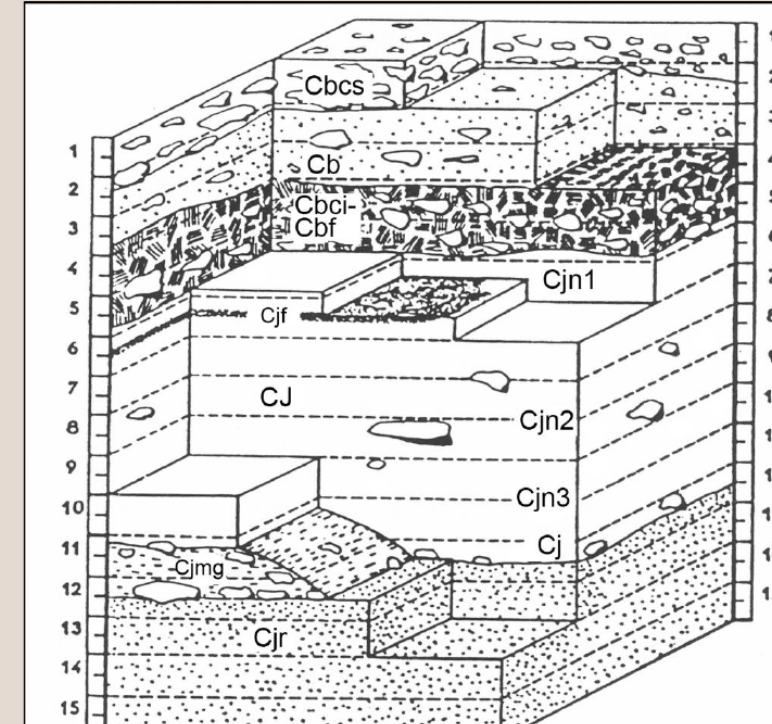
Define stratigraphy in archaeology.
Stratigraphy is the study of layers of soil and artefacts that build up over time.
stratigraphy methods -
How do archaeologists typically excavate a site?
Archaeologists excavate by digging from the top down.
 excavation stratigraphy methods
 -
In stratigraphy, what does an upper layer indicate compared to a lower layer?
- Upper layers = later
- Lower layers = earlier
stratigraphy dating -
What is the principle called that states upper layers are later and lower layers are earlier?
- Law of Superposition
stratigraphy principle
Week 1 — Geography, Chronology, and the Archaeological Record
Overview
- Focus: major regions of the ancient Mediterranean/Western Asia, basic dating systems, archaeological evidence, and dating/excavation methods.
- Goal: understand how geography, material remains, and dating techniques shape historical interpretations.
1. Major Geographic Regions (Western Asia & Mediterranean)
- Western Asia (Near East): includes Mesopotamia; early agriculture, cities, and complex societies.
- Egypt: Nile-centered, linear geographic development driven by the river valley.
- Greece: mountainous, fragmented valleys → independent city-states (poleis).
- Italy / Roman world: later political unification under Rome; expansion across the Mediterranean.
2. Terminology & Dating Systems
- BCE / CE: Before Common Era / Common Era (modern equivalents of BC / AD).
- Millennium = 1000 years; Century = 100 years; c. = circa (approximately).
- Counting note: time runs backwards in BCE (e.g., 4th millennium BCE = 3999–3000 BCE).
3. Prehistoric vs Historic
- Prehistoric: no written records; rely solely on material culture and environmental data.
- Historic: written sources exist and complement material evidence (texts, inscriptions, coins).
4. System of Ages (broad chronological framework)
- Stone Age: Paleolithic → Mesolithic → Neolithic (shift to farming).
- Chalcolithic (Copper Age): ca. 5000–3100 BCE.
- Bronze Age: ca. 3100–1200 BCE.
- Iron Age: begins ca. 1200/1000–800/700 BCE (regional variation).
5. The Archaeological Record — What it is
- Also called the material record: the physical remains that show how people lived, what they made, and what they left behind.
Non-sedentary vs Sedentary evidence
- Non-sedentary (mobile): temporary camps, stone tools (lithics), hearths, butchered animal bones; harder to detect archaeologically.
- Sedentary (settled): permanent architecture, city plans, artefacts, ecofacts (seeds, pollen), tombs, and written records.
- City plans (streets, temples, houses, public spaces) reveal social organization and daily life.
Artefacts — types and significance
- Metals: jewellery, tools — indicate technology, status, trade.
- Clay (pottery, lamps, figurines): extremely common and vital for dating.
- Bone/wood: small tools, personal items; sometimes fragile but informative.
- Pottery: most important dating tool because it is durable, abundant, stylistically changing, and can indicate function and contents.
Tombs and burials
- Grave goods indicate status, wealth, and beliefs; burial practices track social change.
Ecofacts & Palaeobotany
- Ecofacts: seeds, pollen, plant remains — used to reconstruct diet, environment, and agriculture.
- Flotation: a recovery technique that separates plant remains from soil using water and sieves.
Bioarchaeology
- Animal bones: diet, domestication, economy.
- Human bones: health, trauma, lifespan — provide social history.
6. Dating & Excavation Methods
Relative dating
- Typology: group artefacts by shape, style, decoration, material to build chronological sequences.
- Seriation: order artefacts (A before B before C) to create relative timelines.
- Sherds (pottery fragments) are commonly used to date archaeological layers.
Absolute dating
- Radiocarbon (C‑14): measures decay of radioactive carbon in organic material; returns calendar ranges (often ± decades–centuries).
- Basic decay model: \(\(N(t)=N_0 e^{-\lambda t}\)\) where \(\lambda=\dfrac{\ln 2}{5730\ \text{years}}\) (radiocarbon half-life ≈ 5730 years).
- Applied to bone, charcoal, seeds, leather, wool, etc.
- Dendrochronology (tree‑ring dating): matches ring-width patterns to master chronologies; highly precise regionally (often to the year), but dates the felling of the wood, not necessarily its use.
- Historical dating: uses dated texts, inscriptions, coins, and documents; powerful when texts are contemporary and securely linked to contexts.
Stratigraphy and excavation principles
- Excavation proceeds top-down; upper layers = later, lower layers = earlier.
- Law of Superposition: in undisturbed sequences, deeper strata are older than those above them.
7. Practical implications for interpreting the past
- Combine multiple dating methods (typology, C‑14, dendrochronology, texts) for robust chronologies.
- Recognize biases: mobile groups leave scant remains; written records favor certain social groups.
- Material context matters: an object reused or curated can give misleading single-method dates unless cross-checked.
Quick study tips
- Memorize broad age ranges and what defines each (Stone/Chalcolithic/Bronze/Iron).
- Practice reading stratigraphic diagrams and ordering finds by typology.
- Learn common artefact types (pottery forms, metal items) and why pottery is central to dating.