Sign up to unlock more features
- Save this deck to your account
- Study flashcards with spaced repetition
- Export to Anki (.apkg) or PDF
- Process documents up to 100 pages
- Images extracted from PDFs and documents
- Better text extraction from your PDFs and documents
- Better flashcards with our more advanced AI model
What is the scientific name of the domestic dog?
To which family do domestic dogs belong?
How are domestic dogs taxonomically related to the gray wolf?
What does the text state about the ancestry of all domestic dogs?
What is the domestication status of dogs relative to other animals?
What is the scientific taxonomy name for the domestic dog?
Name three deep ancestral genera in the canid lineage leading toward modern canids.
Which family diversified to produce the genus Canis?
What domestication pathway is associated with the origin of dogs?
What types of changes accompanied wolf-to-dog domestication?
How did dogs spread geographically after domestication?
Give an example image illustrating wolf-to-dog domestication (visual comparison).
From what broader group did modern dogs evolve?
Name an early canid ancestor that lived about 60 million years ago.
Which early ancestor of dogs is specifically listed with an age of 60 million years?
When did Miacis live?
What is Miacis in relation to modern carnivores?
What were the main physical traits of Miacis?
What evolutionary role did Miacis play for canids?
When did Cynodictis live?
What primary locomotor shift occurred in Cynodictis?
Which limb and movement adaptations are noted for Cynodictis?
How were the teeth of Cynodictis specialized?
What is Cynodictis's significance in carnivore evolution?
What evolutionary event does Cynodictis mark?
When did the genus Tomarctus live?
What aspect of the Tomarctus skull and teeth is highlighted in descriptions?
Which specialized teeth were well-developed in Tomarctus?
How did the brain size of Tomarctus compare to its body?
What social behavior was likely emerging in Tomarctus?
What is Tomarctus often regarded as in canid evolution?
During what time period did the major expansion of the Canidae family occur?
What were the Borophaginae within Canidae?
What were the Hesperocyoninae within Canidae?
What does the Caninae subfamily include?
What is the temporal range of the genus Canis?
Name the species listed as included in the genus Canis.
Which species in genus Canis is identified by the scientific name Canis lupus?
Which species in genus Canis is identified by the scientific name Canis latrans?
What is the scientific name of the gray wolf?
What is the common name for the species Canis lupus?
Approximately how long ago is the gray wolf indicated to have existed in the text?
What is the scientific name and estimated origin timeframe of domestic dogs?
Did domestic dogs evolve by speciation or by another process?
Which animal was domesticated to produce modern domestic dogs?
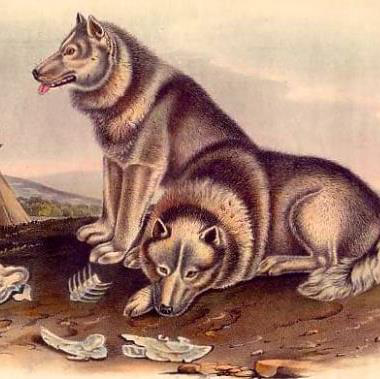
What scene is shown in this illustration?
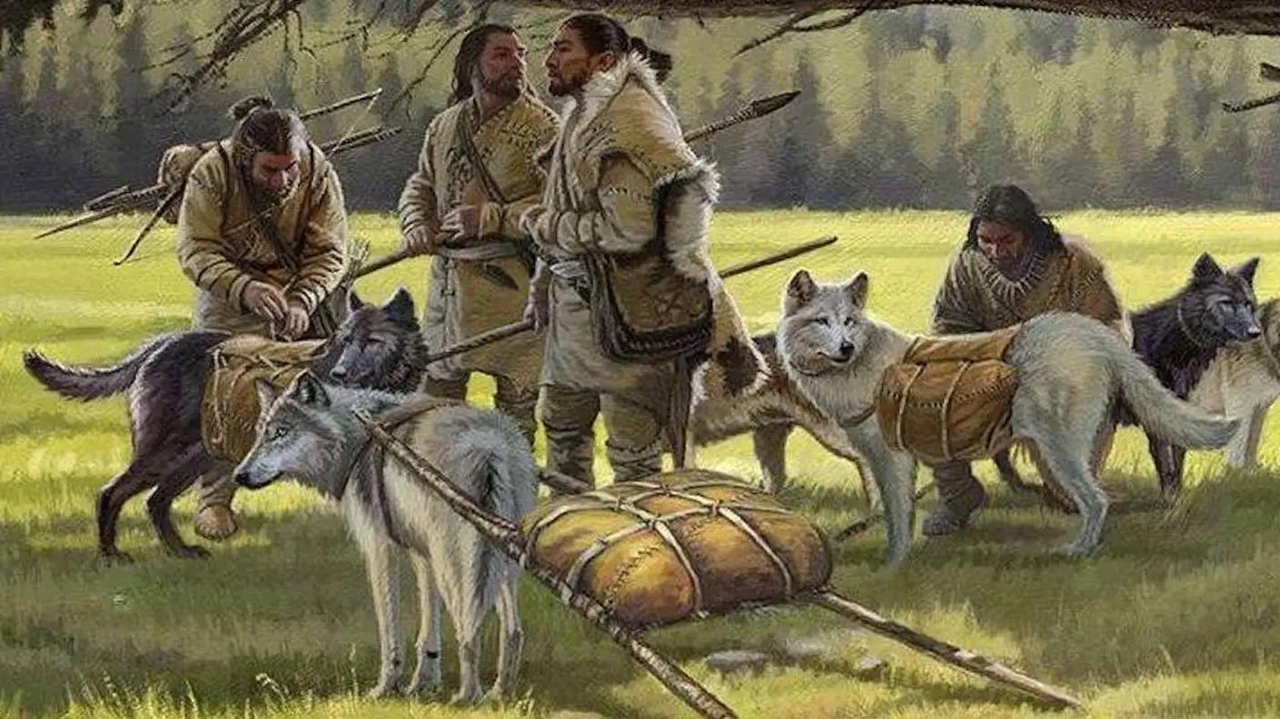
What items are the humans carrying in the illustration?
Which animal accompanies the humans in the illustration?
What behavioral change is a key evolutionary outcome of dog domestication regarding humans?
Which morphological traits changed during dog domestication?
What social-cognitive ability was enhanced during domestication of dogs?
Which dietary genetic adaptation is associated with dog domestication?
Which physiological system was altered during dog domestication related to coping with stress?
What commensal pathway likely initiated wolf domestication?
Which traits did humans selectively breed in early domesticated wolves?
Summarize the basic domestication mechanism from wolves to early dogs.
Where and when did early human–wolf interactions occur that relate to canine domestication? 
What was the ecological role of wolves during early interactions with humans?
How were the social structures of early humans and wolves described?
What food-related behavior caused competition between humans and wolves?
How long did the human–wolf rivalry last according to the summary?
What behavior did wolves commonly show toward humans according to the notes?
Why did wolves live near human settlements?
Which wolves were kept by humans and why?
What change occurred in wolf pups over time in the commensal pathway?
Which image illustrates humans and wolves around a fire as a commensal scenario?
When did the first dogs travel together with humans?
Where did the first dogs appear geographically?
What was the observed relationship between early dogs and humans?
What physical appearance changes occurred in early dogs?
10,000 years ago humans traveled south to which regions?
What coat change did dogs develop around 10,000 years ago?
What role did pariah dogs in India play according to the notes?
Flashcards in this deck (73)
-
taxonomy dogs
-
taxonomy dogs
-
How are domestic dogs taxonomically related to the gray wolf?
- Classified as a subspecies of the gray wolf (Canis lupus)
taxonomy wolves -
What does the text state about the ancestry of all domestic dogs?
- All domestic dogs descend from extinct populations of wolves
ancestry dogs -
What is the domestication status of dogs relative to other animals?
- Dogs are the earliest domesticated animal
domestication dogs -
taxonomy dogs
-
Name three deep ancestral genera in the canid lineage leading toward modern canids.
- Miacis
- Cynodictis
- Tomarctus
evolution ancestors -
Which family diversified to produce the genus Canis?
Canidae diversified and produced the genus Canis
canidae taxonomy -
What domestication pathway is associated with the origin of dogs?
The commensal domestication pathway
domestication pathway -
behavior genetics
-
dispersal humans
-
Give an example image illustrating wolf-to-dog domestication (visual comparison).
Visual comparison of wolf and dog faces:
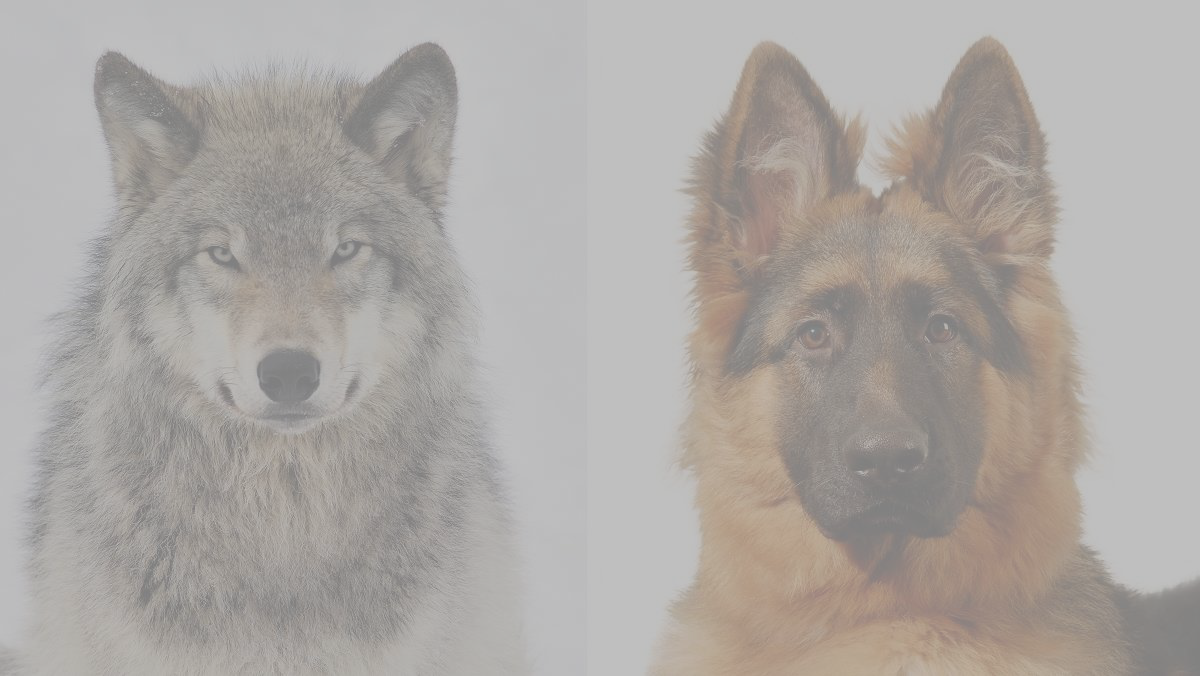 image illustration
 -
evolution canids
-
paleontology ancestors
-
image ancestors
-
paleontology timeline
-
What is Miacis in relation to modern carnivores?
- Common ancestor of modern carnivores, including canids, felids, bears, and mustelids
evolution canids -
What were the main physical traits of Miacis?
- Small, tree-dwelling, fox-sized mammal
- Long tail, flexible body, unspecialized teeth
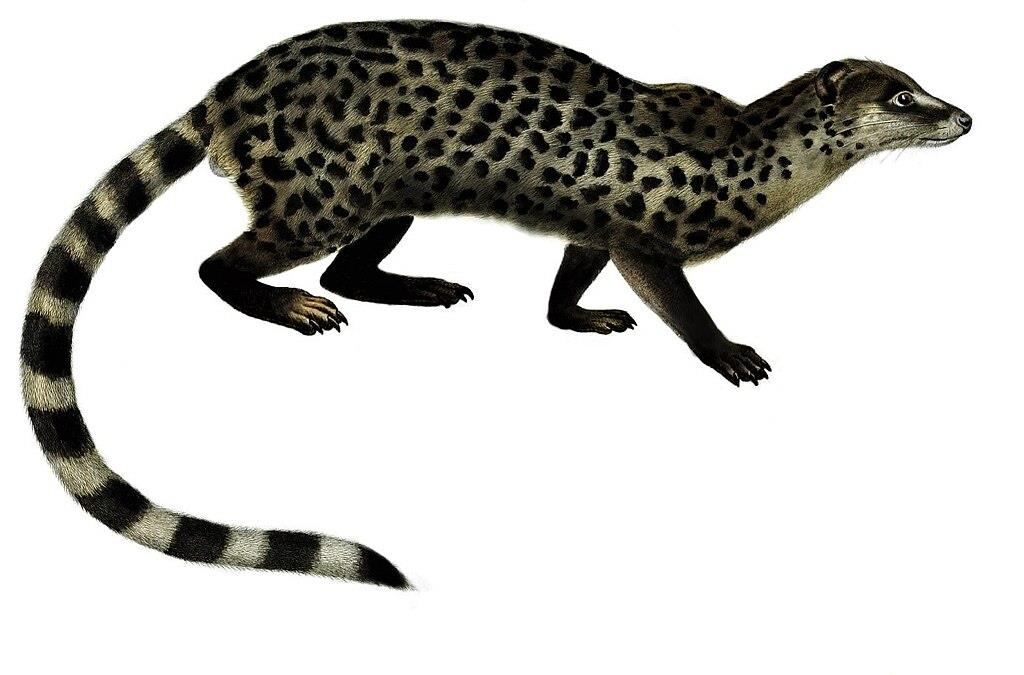 morphology traits
 -
What evolutionary role did Miacis play for canids?
- Provided the basic carnivore body plan from which all later canids evolved
evolution canids -
timeline paleontology
-
locomotion morphology
-
Which limb and movement adaptations are noted for Cynodictis?
- Longer limbs and cursorial (running) adaptations
locomotion adaptation -
dentition diet
-
What is Cynodictis's significance in carnivore evolution?
- Considered one of the earliest dog-like caniforms
caniform evolution -
What evolutionary event does Cynodictis mark?
- Marks the divergence of the canid lineage from other carnivores
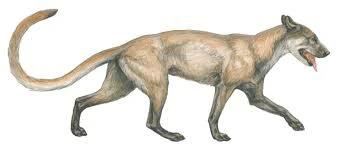 evolution canidae
 -
tomarctus timeline miocene
-
What aspect of the Tomarctus skull and teeth is highlighted in descriptions?
- Wolf-like skull and dentition
tomarctus morphology dentition -
tomarctus teeth carnassial
-
tomarctus brain morphology
-
tomarctus behavior social
-
What is Tomarctus often regarded as in canid evolution?
- A direct ancestor of modern canids (wolves, foxes, and dogs)
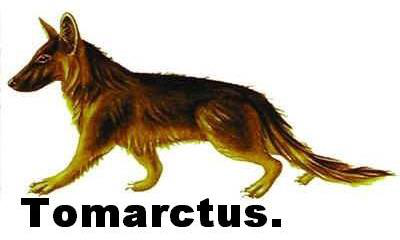
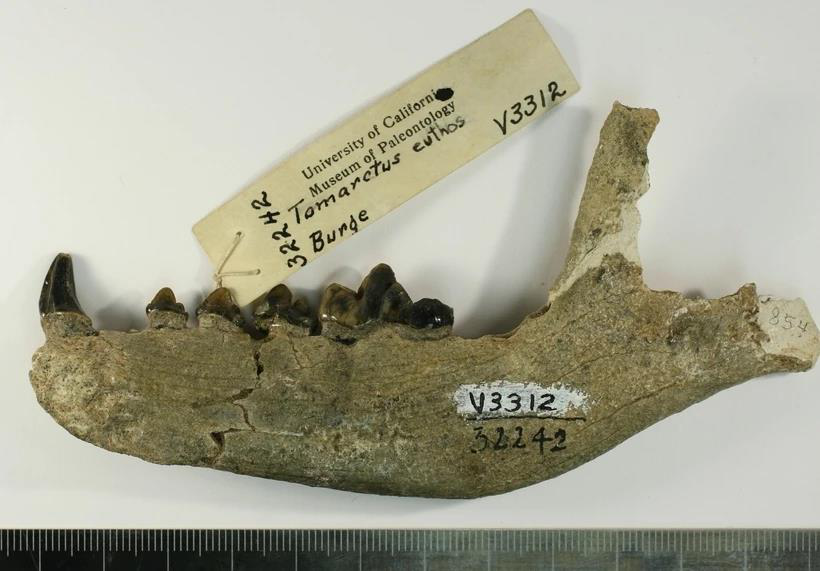 tomarctus evolution canids
 -
During what time period did the major expansion of the Canidae family occur?
Between 20 million and 5 million years ago.
canidae timeline -
What were the Borophaginae within Canidae?
- The Borophaginae were extinct canids known as 'bone-crushing dogs'.
canidae borophaginae paleontology -
What were the Hesperocyoninae within Canidae?
- The Hesperocyoninae were early small canids that are now extinct.
canidae hesperocyoninae paleontology -
What does the Caninae subfamily include?
- The Caninae are modern canids, including wolves, foxes, jackals, and dogs.
canidae caninae taxonomy -
canis evolution timeline
-
Name the species listed as included in the genus Canis.
- Gray wolf (Canis lupus)
- Coyotes (Canis latrans)
- Jackals
- Domestic dogs
canis species taxonomy -
Which species in genus Canis is identified by the scientific name Canis lupus?
- Gray wolf (Canis lupus)
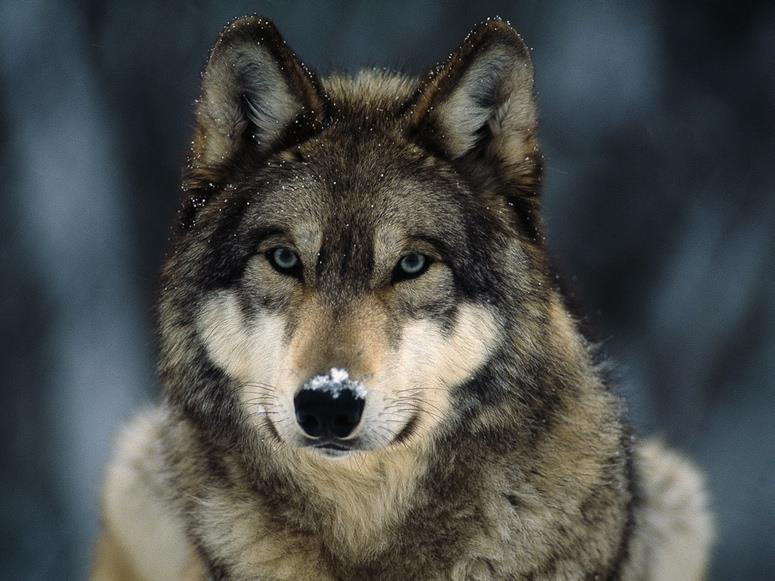 canis canis_lupus wolf
 -
Which species in genus Canis is identified by the scientific name Canis latrans?
- Coyote (Canis latrans)
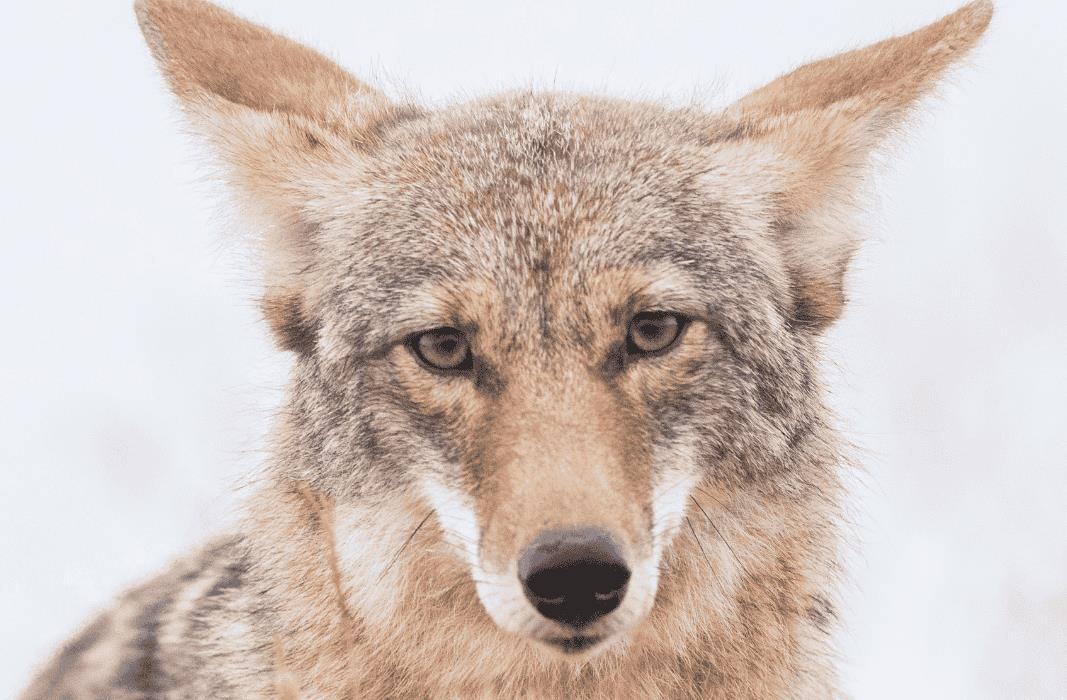 canis canis_latrans coyote
 -
taxonomy canis
-
common-name canis
-
Approximately how long ago is the gray wolf indicated to have existed in the text?
- 300,000 years ago
timeline evolution -
What is the scientific name and estimated origin timeframe of domestic dogs?
- Canis lupus familiaris
- 15,000–40,000 years ago
taxonomy dogs -
Did domestic dogs evolve by speciation or by another process?
- Dogs evolved through domestication of wolves, not through speciation
domestication evolution -
wolves dogs
-
illustration prehistoric
-
artifacts tools
-
animals canids
-
What behavioral change is a key evolutionary outcome of dog domestication regarding humans?
Reduced fear and aggression toward humans
domestication behavior dogs -
morphology anatomy dogs
-
What social-cognitive ability was enhanced during domestication of dogs?
Enhanced ability to read human social cues
cognition behavior dogs -
Which dietary genetic adaptation is associated with dog domestication?
Genetic adaptations for starch digestion
genetics diet dogs -
Which physiological system was altered during dog domestication related to coping with stress?
Altered stress-response pathways
 physiology stress dogs
 -
What commensal pathway likely initiated wolf domestication?
Early wolves likely initiated commensal relationships by scavenging near nomadic human camps.
domestication dogs -
Which traits did humans selectively breed in early domesticated wolves?
- Hunting
- Guarding
- Companionship
selectivebreeding traits -
Summarize the basic domestication mechanism from wolves to early dogs.
Wolves scavenged near camps forming commensal ties, then humans selectively bred them for useful traits.
mechanism origins -
Where and when did early human–wolf interactions occur that relate to canine domestication?
- Eurasia, 14–30,000 years ago
domestication geography timeline -
What was the ecological role of wolves during early interactions with humans?
- Wolves: apex predators
wolves ecology -
How were the social structures of early humans and wolves described?
- Both lived in groups; intelligent and highly organized
behavior social -
What food-related behavior caused competition between humans and wolves?
- Both hunted the same food and tracked prey to exhaustion
competition hunting -
How long did the human–wolf rivalry last according to the summary?
- A rivalry that lasted for thousands of years
history interaction -
What behavior did wolves commonly show toward humans according to the notes?
Wolves don't attack humans but are quite prepared to steal their prey.
wolves behavior domestication -
Why did wolves live near human settlements?
Wolves lived near human settlements for food scraps, acting as scavengers.
wolves scavenging -
Which wolves were kept by humans and why?
Less aggressive wolves were kept because food from humans provided protection from other predators.
domestication selection -
What change occurred in wolf pups over time in the commensal pathway?
Wolf pups eventually became more docile.
behavior development -
Which image illustrates humans and wolves around a fire as a commensal scenario?
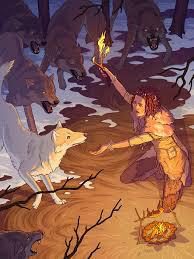
- This image supplements the idea of wolves living near humans for food scraps.
images commensal -
history domestication
-
geography origins
-
What was the observed relationship between early dogs and humans?
- They traveled together with humans
behavior domestication -
What physical appearance changes occurred in early dogs?
- Lighter fur color
- Floppier ears
- Curly tails
- Coat adapted to local climate
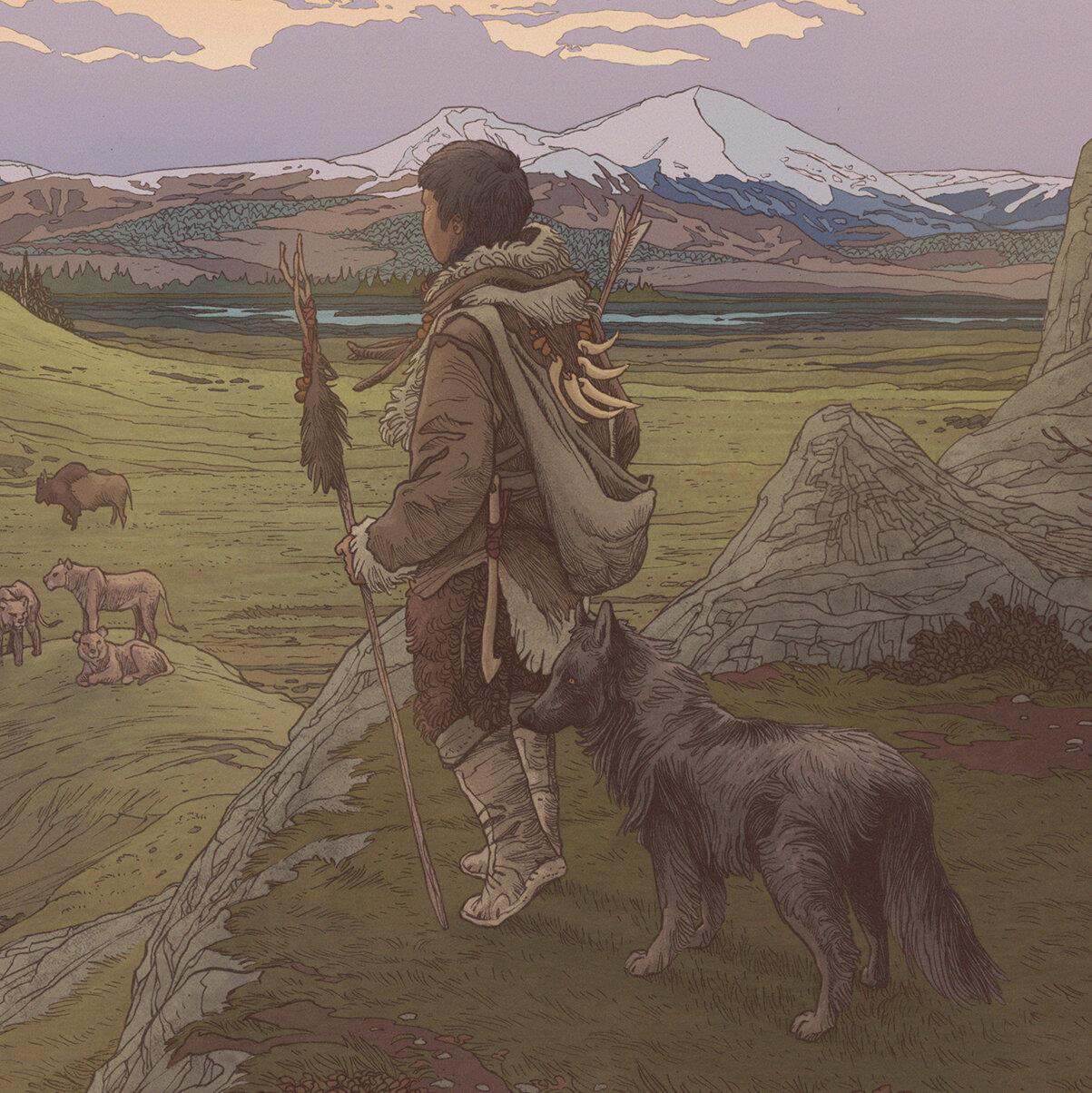 morphology evolution
 -
migration prehistoric
-
dogs evolution
-
dogs behavior
Dogs — quick overview
- Scientific name: Canis lupus familiaris, a subspecies of the gray wolf (Canis lupus).
- Domestication: earliest domesticated animal; domestic dogs descend from extinct wolf populations.
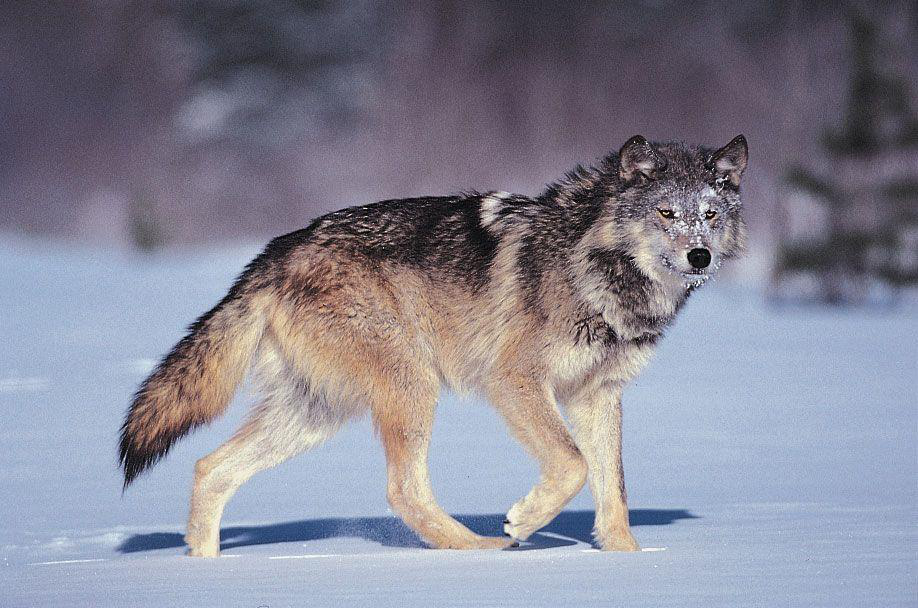 Alt: Gray wolf standing in snow.
Taxonomy & classification
- Family: Canidae — includes wolves, foxes, jackals, coyotes, and dogs.
- Subspecies: Canis lupus familiaris (domestic dog) derived from gray wolves.
Evolutionary timeline — key stages
1) Deep origins: Miacis (≈62–33 Ma)
- Early, small tree-dwelling carnivoran that provided the basic carnivore body plan.
- Not a dog, but an ancestral stock leading to later caniforms.
Alt: Miacis, small spotted mammal with long tail.
2) Cynodictis (≈40–30 Ma)
- Transition from arboreal to terrestrial life; longer limbs and running adaptations.
- Teeth became more specialized for shearing meat; marks divergence of canid lineage.
Alt: Cynodictis, early dog-like runner.
3) Tomarctus (≈23–16 Ma, Miocene)
- More wolf-like skull and strong carnassial teeth; larger brain relative to body.
- Likely social hunting behavior and often considered a direct ancestor of modern canids.
Alt: Tomarctus skull fossil.
4) Canidae expansion (≈20–5 Ma)
- Major subfamilies: Borophaginae (extinct, bone-crushers), Hesperocyoninae (extinct), Caninae (modern canids).
5) Genus Canis (≈6 Ma–present)
- Includes gray wolves (Canis lupus), coyotes (Canis latrans), jackals and domestic dogs.
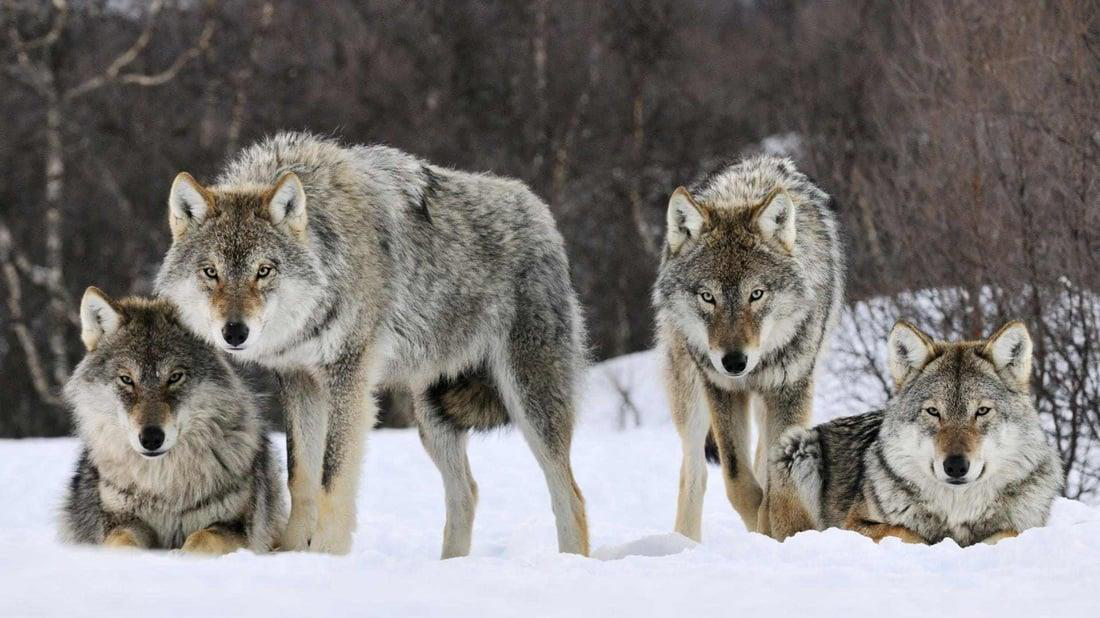 Alt: Four gray wolves in snowy landscape.
Domestication of dogs — when and how
- Timing: domestication occurred roughly 15,000–40,000 years ago; early dog-like forms present by ~20,000 years ago in the Northern Hemisphere.
- Location: primary evidence points to Eurasia (multiple regions and times proposed).
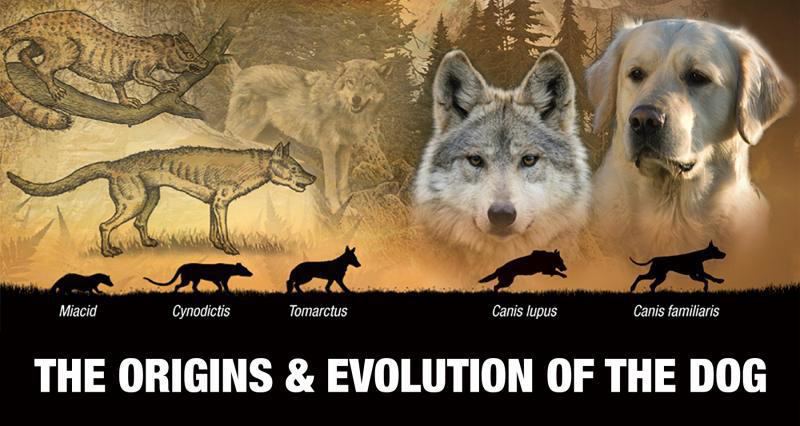 Alt: Evolutionary lineage from Miacis to Canis familiaris.
Mechanism: commensal pathway
- Wolves likely approached human camps to scavenge food waste.
- Less fearful, less aggressive wolves gained access to food and protection; humans tolerated and later bred them.
- Selection favored traits useful to humans (hunting, guarding, companionship).
 Alt: Early humans around a campfire with wolves nearby.
Key evolutionary changes during domestication
- Behavioral: reduced fear and aggression toward humans; stronger sensitivity to human social cues.
- Morphological: altered skull shape and dentition compared with wolves; variety of coat types and ear/tail shapes.
- Physiological/genetic: adaptations for starch digestion and changes in stress-response pathways.
Geographic spread with human migration
- By ~20,000 years ago, dogs traveled with humans across Europe and Asia.
- By ~10,000 years ago, as humans moved to other continents, dogs dispersed and adapted: thinner coats in warmer regions and regional roles (e.g., crop protection by pariah dogs).
Alt: Map of Eurasia.
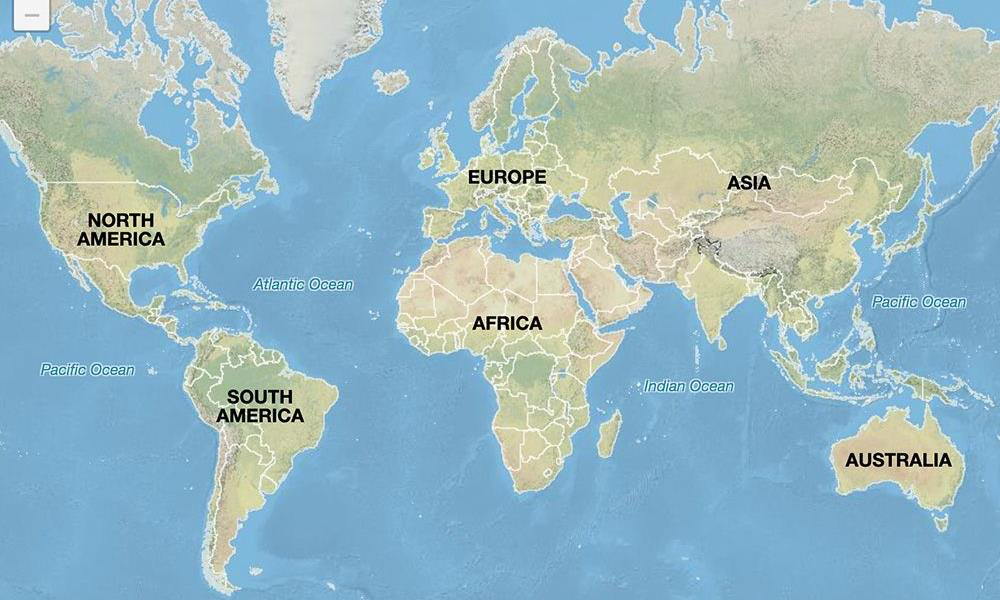 Alt: World map of continents.
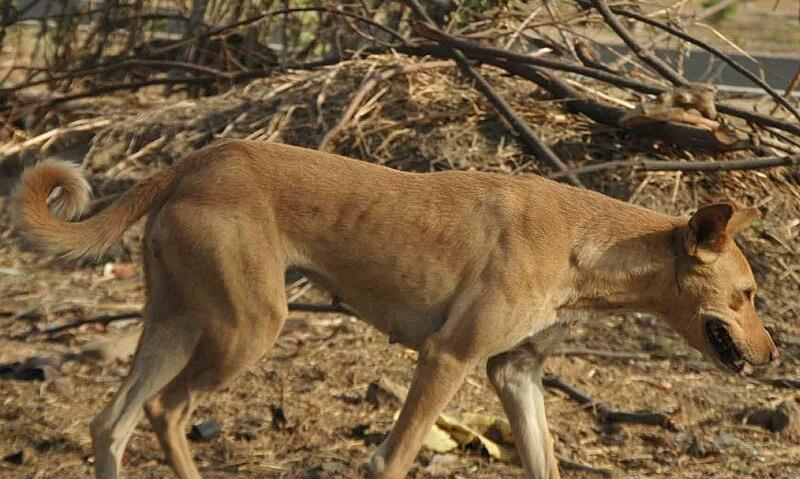 Alt: Slender tan dog walking outdoors.
Practical takeaways (for study)
- Domestic dogs are a subspecies of gray wolves; domestication is a process, not a sudden speciation event.
- Domestication likely followed a commensal route: wolves scavenged human waste, leading to mutual association and selective breeding.
- Key changes affect behavior, skull/dental morphology, digestion, and stress physiology—these are common topics in canine evolution and domestication studies.
Suggested quick-review checklist
- Know the major ancestral stages: Miacis → Cynodictis → Tomarctus → Caninae → Canis.
- Remember the commensal domestication model and its main predictions.
- Recall main domestication traits: reduced aggression, social-cue sensitivity, morphological diversity, starch digestion adaptation.